


Professionele oplossingen op betonadditieven, Betonschuimmiddel, Superweekmaker, CLC blokkeert additieven, en schuimmachine


Betonlosmiddel

Concrete Mold Release Agent Concrete Building Mold Release Agent

High Strength Cement Grouting Material

Mold Release Agent Construction Engineering Slate Wood Antifoam Silicone Oil Concrete Cement Component Mold Release Agent

Stamped Concrete Release Agent Powder
Mold Release Agent Concrete Foaming Agent
Concrete Floor Stamp Mat Color Hardener Release Powder Agent Material
Retarder Concrete Release Agent Sodium Lignosulfonate Mn-2 Sodium Ligno Cement Additive

Silicone Mold Release Agent for Concrete PC Components Fast Demoulding & Smooth Surface
Penetrating Waterproof Agent For Red Bricks,ceramic Tile,coating Layer,Keep The Original Color
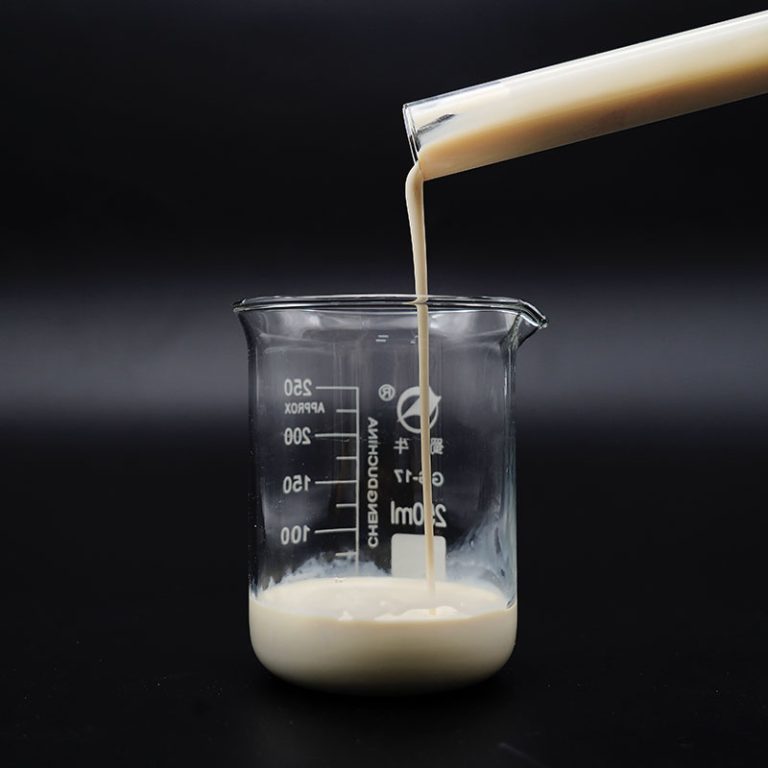
Released Mold Agent/Mould Release Agent/Concrete Mould Release Oil
Sodium Bentonite Construction Plasticizer-Workability And Water Retention Enhancer For Mortar, Concrete And Underground Engineer
Best Outdoor Basement PVC Waterstop Factory Bentonite Waterproof Concrete Membrane Coating Wall Application
Overview of Concrete Release Agent
Concrete release agents are specialized coatings applied to formwork and molds used in concrete pouring to facilitate the smooth removal of the cured concrete without causing damage or leaving residue on the forms. They are essential for maintaining the integrity of both the concrete structure and the forms, ensuring a clean and efficient construction process.
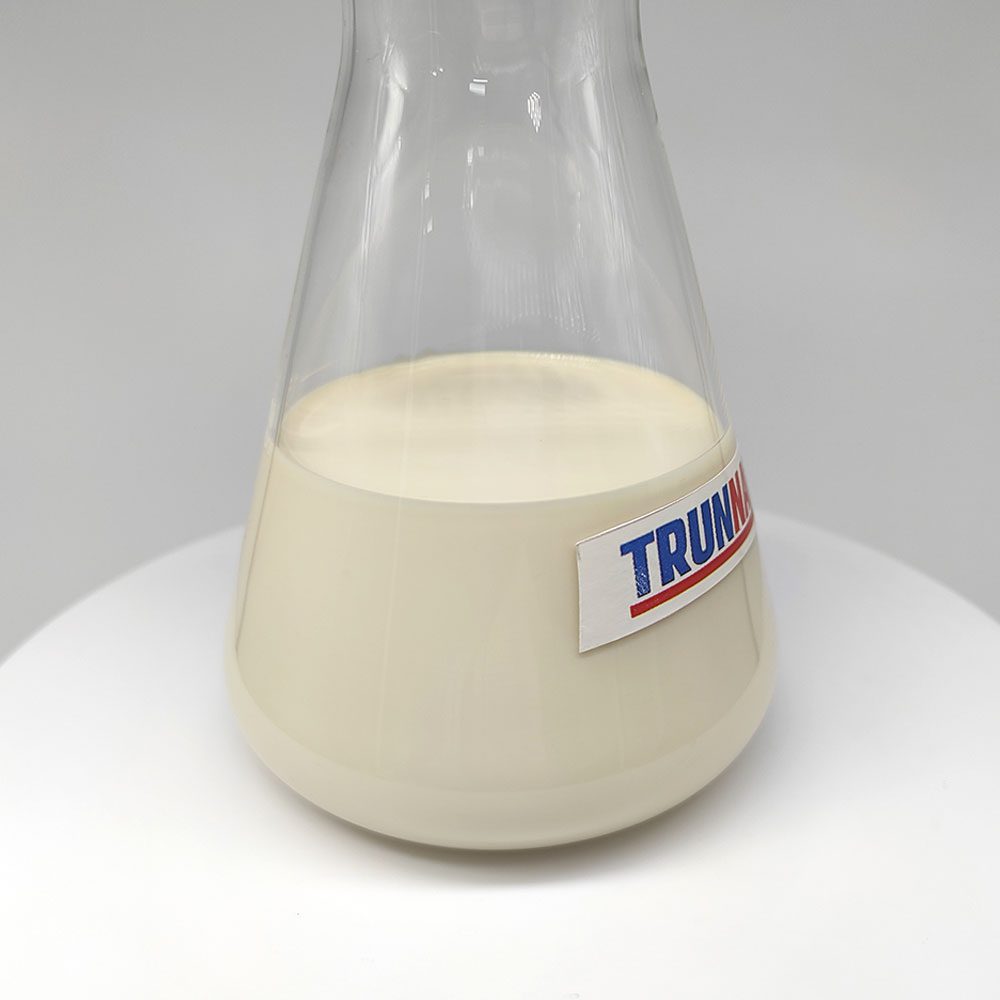


Features of Concrete Release Agent
Environmentally friendly: no volatile organic compounds (VOCs), reducing hazards to the environment and the health of construction workers.
Easy to clean up: easily rinsed off with water after use, leaving no hard-to-remove grease stains or residue.
Cost-effective: water-based products are often more economical and require less water than oil-based release agents.
Versatile: Suitable for use on many types of formwork materials, including wood, metal, plastic and fibreglass reinforced plastic (FRP).
Safety and reliability: non-flammable, reducing the risk of fire; low skin irritation, improving construction safety.
Applications of Concrete Release Agent
- Construction Industry: Commonly used in the casting of concrete structures like walls, pillars, en vloeren.
- Architectural Precast: Ideal for creating decorative precast elements, where a clean and detailed finish is crucial.
- Bridge and Highway Construction: Essential in forming components for bridges and highways to ensure smooth surfaces and easy form removal.
- Specialty Projects: Used in intricate or artistic concrete projects where the appearance and texture of the finished product are paramount.
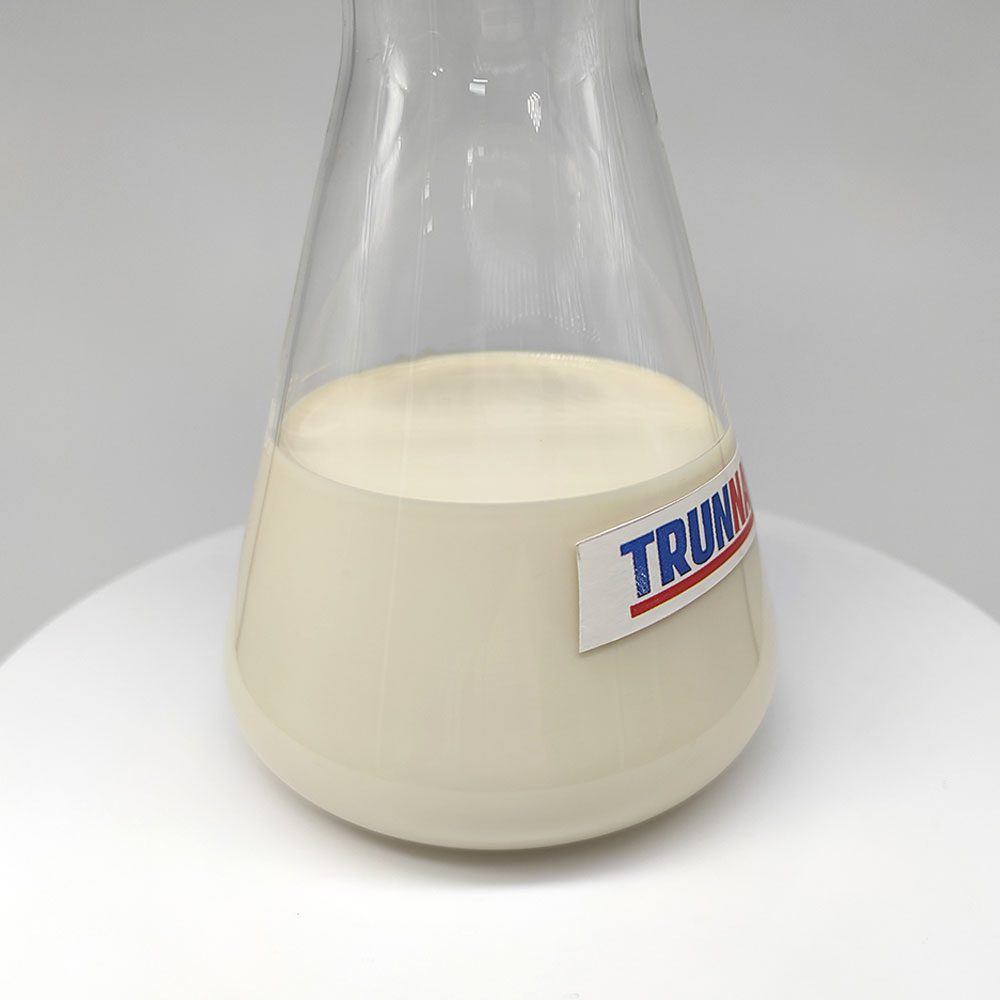
Bedrijfsprofiel
ConcreteFashion is the global leader in Low-Density Cellular Concrete (LDCC), Cellulair licht beton (CLC), en geavanceerde schuimoplossingen. Wereldwijd bekend om zijn inzet voor onderzoek, innovatie, en toegepaste expertise, Sinds begin 2012 bieden wij technische schuimoplossingen.
Wij kunnen hoogwaardige kwaliteit leveren concrete release agent. Het bedrijf heeft een professionele technische afdeling en een afdeling kwaliteitstoezicht, een goed uitgerust laboratorium, en uitgerust met geavanceerde testapparatuur en een after-sales klantenservicecentrum. Stuur ons een e-mail of klik op de benodigde producten om een aanvraag te sturen.
Als je meer wilt weten over Betonlosmiddel, neem dan gerust contact met ons op: [email protected]
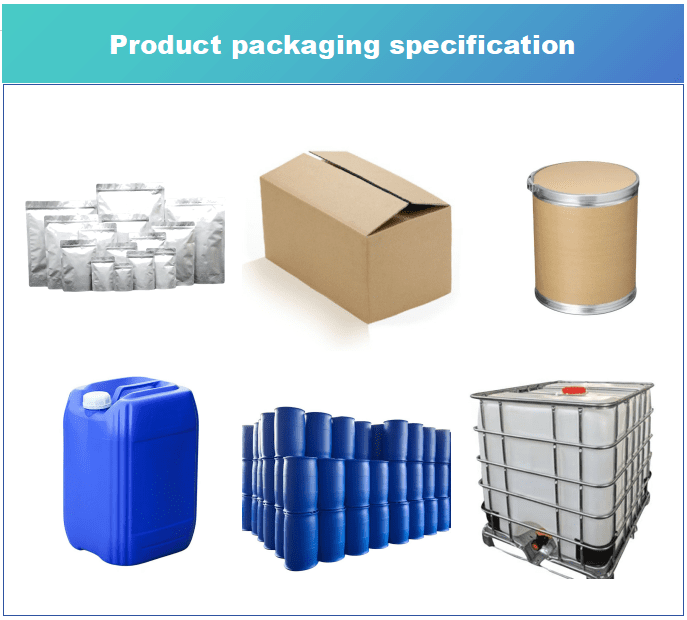
Package of Concrete Release Agent
20Kg/barrel, 200kg/vat, bewaard bij kamertemperatuur, weg van licht, vocht en regen.
FAQs of Concrete Release Agent
What is a good release agent for concrete?
A good concrete release agent should form a lubricating film to prevent concrete from sticking to the formwork without compromising the quality or strength of the concrete. Common release agents on the market include chemically synthesized liquids, emulsions or powders, as well as natural products such as waxes and greases. Consider environmental protection, ease of use and impact on subsequent processes when choosing. A high-quality release agent is not only easy to apply, but also ensures a smooth surface effect and simplifies the demolding process.
Can I use vegetable oil for demolding?
Vegetable oil can be used as a temporary release agent, especially for small DIY projects. Vegetable oil can form a protective layer on the surface of the formwork, reducing the possibility of concrete sticking. Echter, vegetable oil may affect the curing time and final quality of concrete, resulting in oily residue or color changes on the surface. In addition, it is not the first choice for professional construction because its durability and reliability are not as good as dedicated release agents. It is recommended to decide whether it is suitable for large-scale projects after testing a small area.
How to prevent concrete from sticking to the formwork?
To avoid concrete sticking to the formwork, the formwork surface should be cleaned and dried before pouring to remove rust, dust and other impurities. Then apply an even layer of high-quality release agent. Make sure the release agent completely covers all contact surfaces, but do not apply too much to avoid spillage and contamination of the concrete. For complex shapes or forms that are exposed to the air for a long time, apply multiple thin coats. The correct selection and application of the release agent is key.
What can I use as a binder for concrete?
Common binders for concrete include cement paste, polymer-modified cement-based binders, enz. These materials can enhance the bond between new and old concrete and are particularly suitable for repair work or layered pouring. Polymer-modified binders are popular for their excellent bonding properties and durability. When using, mix according to the manufacturer's instructions, usually adding water and stirring to the appropriate consistency. Concrete laying should be carried out immediately after applying the binder to ensure the best results.