


ʻO nā hoʻonā ʻoihana ma nā mea hoʻohui koneki, Agena Pua Paa, Superplasticizer, CLC Blocks Additives, a me ka mīkini hū


Agena Hookuu Paa

Concrete Mold Release Agent Concrete Building Mold Release Agent

High Strength Cement Grouting Material

Mold Release Agent Construction Engineering Slate Wood Antifoam Silicone Oil Concrete Cement Component Mold Release Agent

Stamped Concrete Release Agent Powder
Agena Hooku'u Mold
Concrete Floor Stamp Mat Color Hardener Release Powder Agent Material
Retarder Concrete Release Agent Sodium Lignosulfonate Mn-2 Sodium Ligno Cement Additive

Luna Hoʻokuʻu ʻO Silicone Mold Release Agent for Concrete PC Components Fast Demoulding & Ili Palani
Penetrating Waterproof Agent For Red Bricks,ceramic Tile,coating Layer,Keep The Original Color
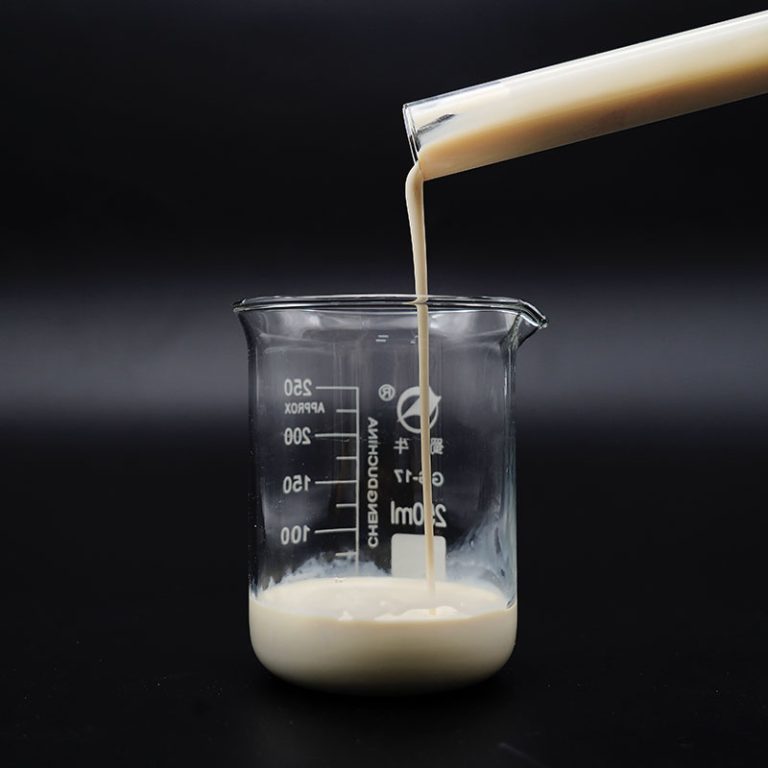
Released Mold Agent/Mould Release Agent/Concrete Mould Release Oil
Sodium Bentonite Construction Plasticizer-Workability And Water Retention Enhancer For Mortar, Concrete And Underground Engineer
Best Outdoor Basement PVC Waterstop Factory Bentonite Waterproof Concrete Membrane Coating Wall Application
Overview of Concrete Release Agent
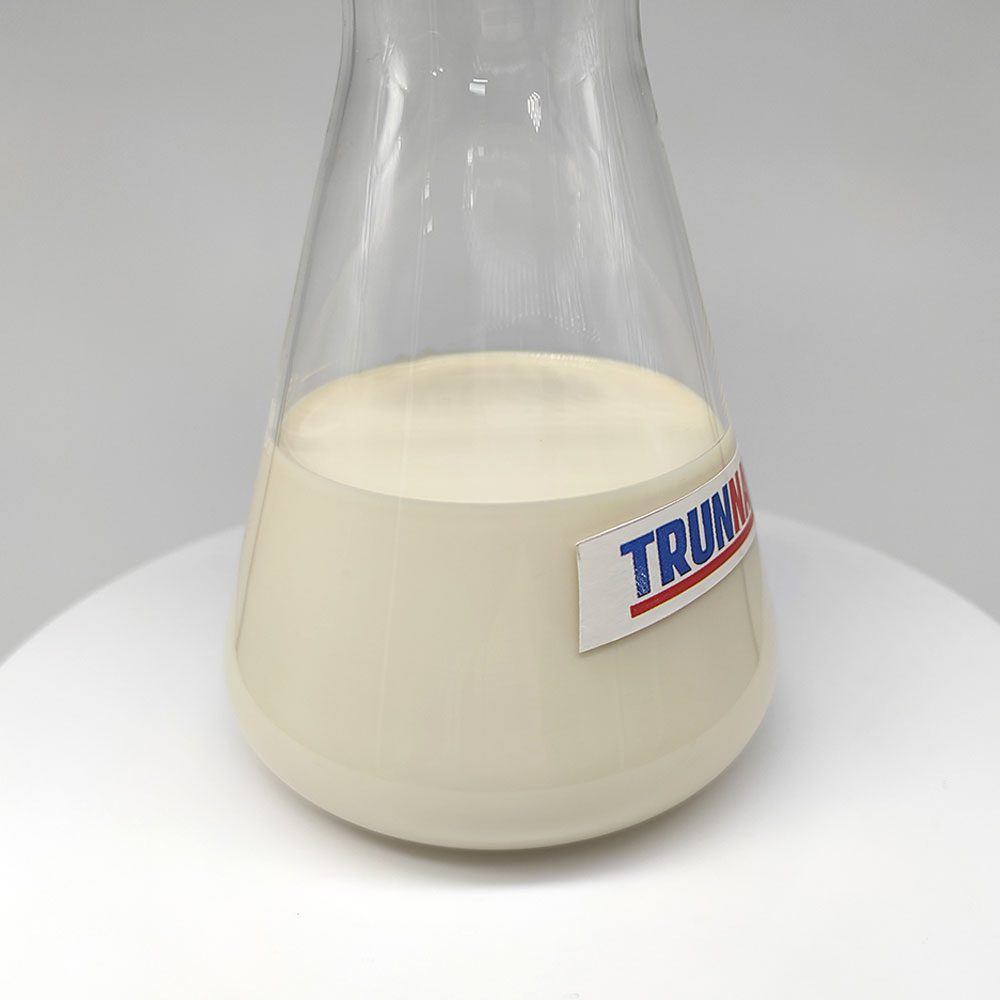
Concrete release agents are specialized coatings applied to formwork and molds used in concrete pouring to facilitate the smooth removal of the cured concrete without causing damage or leaving residue on the forms. They are essential for maintaining the integrity of both the concrete structure and the forms, ensuring a clean and efficient construction process.
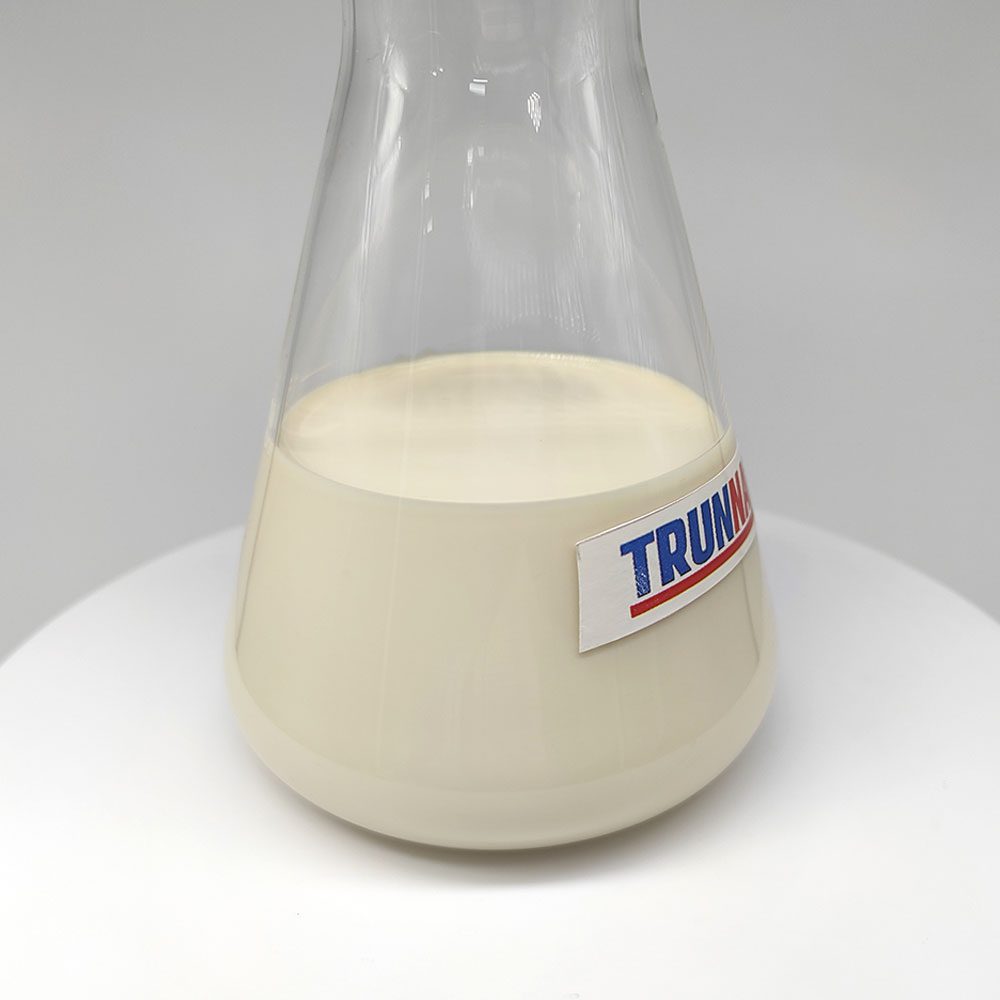


Features of Concrete Release Agent
Environmentally friendly: no volatile organic compounds (VOC), reducing hazards to the environment and the health of construction workers.
Easy to clean up: easily rinsed off with water after use, leaving no hard-to-remove grease stains or residue.
Cost-effective: water-based products are often more economical and require less water than oil-based release agents.
Versatile: Suitable for use on many types of formwork materials, including wood, metal, plastic and fibreglass reinforced plastic (FRP).
Safety and reliability: non-flammable, reducing the risk of fire; low skin irritation, improving construction safety.
Applications of Concrete Release Agent
- Construction Industry: Commonly used in the casting of concrete structures like walls, pillars, and floors.
- Architectural Precast: Ideal for creating decorative precast elements, where a clean and detailed finish is crucial.
- Bridge and Highway Construction: Essential in forming components for bridges and highways to ensure smooth surfaces and easy form removal.
- Specialty Projects: Used in intricate or artistic concrete projects where the appearance and texture of the finished product are paramount.
ʻO ka moʻolelo o ka hui
ConcreteFashion is the global leader in Low-Density Cellular Concrete (LDCC), ʻO ka ʻāpana māmā ʻo Celluar (CLC), a me nā mea hoʻoheheʻe ʻenekinia kiʻekiʻe. ʻIke ʻia ma ka honua holoʻokoʻa no kāna kūpaʻa i ka noiʻi, mea hou, a me ka ʻike noiʻi, ke hāʻawi nei mākou i nā hoʻonā ʻenehana i hana ʻia mai ka makahiki 2012.
Hiki iā mākou ke hoʻolako i ke kūlana kiʻekiʻe concrete release agent. He keʻena ʻenehana ʻoihana a me ka ʻoihana kiaʻi maikaʻi ka hui, he hale hana i hoolako pono, a hoʻolako ʻia me nā lako hoʻāʻo kiʻekiʻe a me ke kikowaena lawelawe mea kūʻai aku ma hope o ke kūʻai aku..
Inā makemake ʻoe e ʻike hou aku e pili ana Agena Hookuu Paa, e ʻoluʻolu a e hoʻokaʻaʻike mai iā mākou: [email protected]
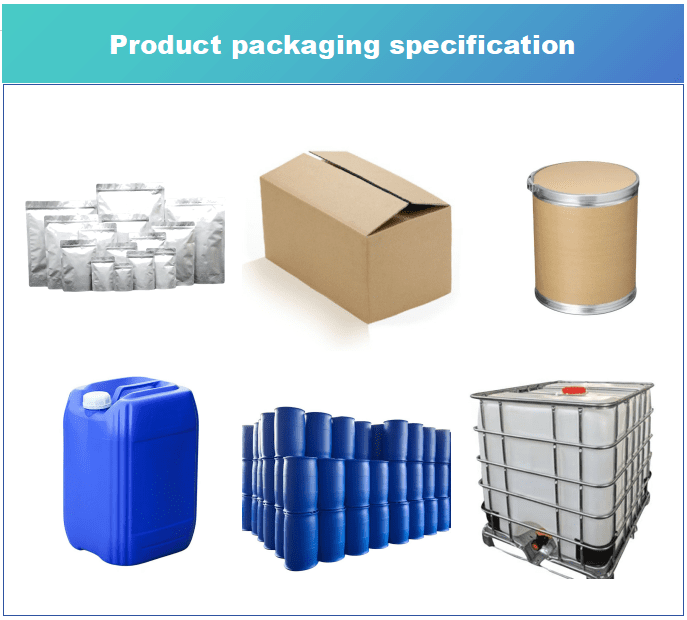
Package of Concrete Release Agent
20Kg/barrel, 200kg/barela, mālama ʻia ma ka lumi wela mai ka mālamalama, ka wai a me ka ua.
FAQs of Concrete Release Agent
What is a good release agent for concrete?
A good concrete release agent should form a lubricating film to prevent concrete from sticking to the formwork without compromising the quality or strength of the concrete. Common release agents on the market include chemically synthesized liquids, emulsions or powders, as well as natural products such as waxes and greases. Consider environmental protection, ease of use and impact on subsequent processes when choosing. A high-quality release agent is not only easy to apply, akā, e hōʻoiaʻiʻo i ka hopena maʻemaʻe a maʻalahi i ka hana demolding.
Hiki iaʻu ke hoʻohana i ka ʻaila meaʻai no ka demolding?
Hiki ke hoʻohana ʻia ka ʻaila meaʻai ma ke ʻano he mea hoʻokuʻu manawa, no nā papahana DIY liʻiliʻi. Hiki i ka aila huaʻai ke hana i kahi pale pale ma ka ʻili o ka formwork, e hoemi ana i ka hiki ke pipili. Eia naʻe, Hiki i ka aila meaʻai ke hoʻopili i ka manawa hoʻōla a me ka maikaʻi hope o ke koki, ka hopena i ke koena aila a i ʻole nā loli kala ma ka ʻili. Kahi mea hou aʻe, ʻaʻole ia ka koho mua no ka hana ʻoihana no ka mea ʻaʻole maikaʻi kona paʻa a me ka hilinaʻi e like me nā mea hoʻokuʻu hoʻolaʻa. Manaʻo ʻia e hoʻoholo inā kūpono ia no nā papahana nui ma hope o ka hoʻāʻo ʻana i kahi wahi liʻiliʻi.
Pehea e pale aku ai i ka pipili ʻana o ka ʻuala i ka puka?
No ka pale ʻana i ka pipili ʻana o ke kaʻa i ka formwork, pono e hoʻomaʻemaʻe ʻia a hoʻomaloʻo ʻia ka ʻili o ka formwork ma mua o ka ninini ʻana e wehe i ka ʻōpala, lepo a me nā mea haumia ʻē aʻe. A laila e hoʻopili i kahi papa hoʻokuʻu kiʻekiʻe. E hōʻoia i ka uhi piha ʻana o ka mea hoʻokuʻu i nā mea pili, akā, mai hoʻohana nui i mea e pale aku ai i ke kahe ʻana a me ka hoʻohaumia ʻana o ke kaʻa. No nā ʻano paʻakikī a i ʻole nā ʻano i ʻike ʻia i ka lewa no ka manawa lōʻihi, e hoʻopili i nā ʻaʻahu lahilahi. ʻO ke koho kūpono a me ka hoʻohana ʻana i ka mea hoʻokuʻu ke kī.
He aha kaʻu e hoʻohana ai i mea hoʻopaʻa paʻa?
ʻO nā mea hoʻopaʻa maʻamau no ke kaʻa me ka paʻi sima, nā mea hoʻopaʻa paʻa i hoʻololi ʻia i ka polymer, etc. Hiki i kēia mau mea ke hoʻoikaika i ka pilina ma waena o ke kaila hou a me ka mea kahiko a kūpono no ka hana hoʻoponopono a i ʻole ka ninini ʻana. Polymer-modified binders are popular for their excellent bonding properties and durability. I ka hoʻohana ʻana, mix according to the manufacturer's instructions, usually adding water and stirring to the appropriate consistency. Concrete laying should be carried out immediately after applying the binder to ensure the best results.