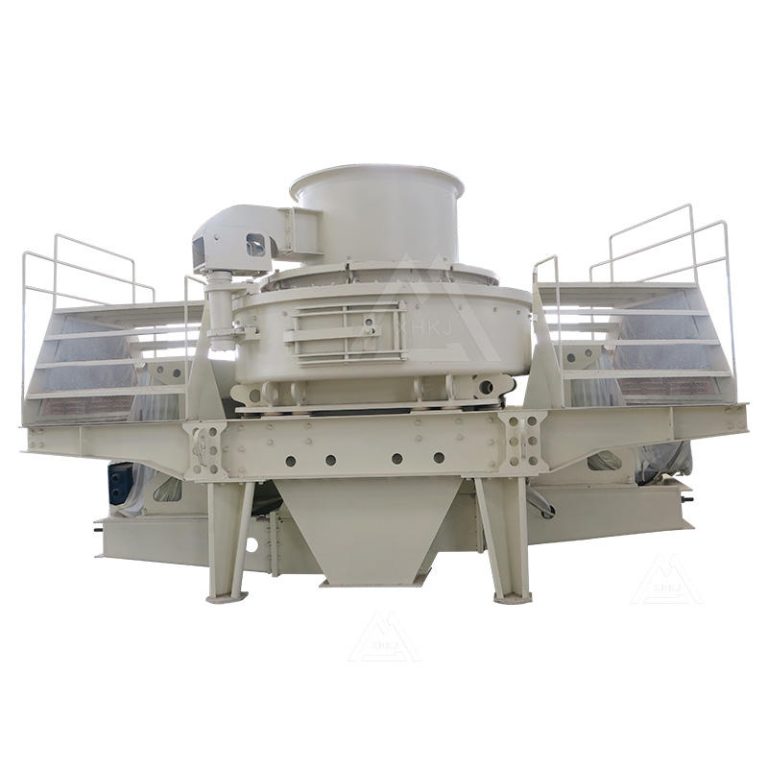
Nga otinga ngaio mo nga taapiri raima, Agent Foaming Raima, Kaihurihuri, CLC Poraka taapiri, me te miihini pupuhi



NGA TAATA HUA
Whakaahuatanga
Overview of Concrete Water Reducer Raw Material HPEG2400
Concrete Water Reducer Raw Material HPEG2400 represents the third generation of water-reducing agents following lignin and naphthalene-based types, e whakatinana ana i te tihi o te hangarau whakauru raima hou. Ka whakamahia e tenei hua te hoahoa hanga rapoi matatau me te whakahiato ma roto i nga tukanga polymerization, ka puta mai he kaihoko whakaheke wai mahi nui me te hanganga rapoi heru. Ka tutuki te whakamararatanga o nga matūriki ciment na roto i te kaha o te aukati aukati, te whakanui ake i te mahi o te raima me nga taonga hanga. Koia te mea tino pai mo te hanga mahi teitei, teitei-kaha, me te raima teitei-roa.
Features of Concrete Water Reducer Raw Material HPEG2400
1. Te Reiti Whakaiti-Wai Nui: Ka tutuki ki 40% whakaheke wai, he tino whakaheke i te kohi wai mo ia waeine rōrahi o te raima me te whakarato i te turanga pakari mo te hanga raima kaha-kaha me te tino-teitei. (C60 me runga ake).
2. Pupuri Pupuri Pai: Ko te hangarau ahurei puhoi puhoi puhoi te pupuri i te heke, te pupuri i te pai o te mahi me te papu mo 1-2 haora. Ka tutuki tenei i nga hiahia o te kawe waka tawhiti me te hanga i nga wa wera nui.
3. inenga iti, kakama teitei: Ka whakaritea ki nga whakaheke wai tuku iho, titau te reira inenga iti (te tikanga 0.15%-0.3% i runga i te taumaha o nga rauemi cimentitious) i te wa e whakaputa ana i nga mahi nui, he pai ake nga painga ohaoha me te taiao.
4. Te Urutau Kairangi: He hototahi ki nga momo rama ciment me nga whakauru kohuke (e.g., rere pungarehu, paura kohuke, kohu hiraka), te whakatika i nga take noa penei i te whakaheke toto me te wehewehe i roto i te raima.
5. Kakariki me te Eco-Friendly: Karekau i nga matū kino penei i te formaldehyde me te nitrite i te wa e whakaputa ana, kore kino ki te tangata, taiao, me te whai ki nga whakaritenga mo te whare kaakaariki me te whanaketanga toiwhi.
6. Te Whakanuia Te Kaha Tino: Ka tutuki a 10%-15% te whakaiti i te whakamahi sima mo te kaha rite, ka tino whakanui ake ranei i te kaha raima i nga reanga katoa he rite te ihirangi sima.
7. Whakarei ake i te Raima Raima: He pai te whakaheke i te whakarea diffusion chloride, ka whakaiti i te whakaheke me te ngokingoki, me te tino whakapai ake i te koretake o te raima, ātete whakatio-rewa, me te aukati warowaiha, te whakawhānui i te ora ratonga hanganga.

Specification of Concrete Water Reducer Raw Material HPEG2400
HPEG2400 is a key raw material for making high-quality concrete water reducers. It is a specific type of polyether monomer. You see it as a light yellow liquid. It is clear and not cloudy. This liquid has a certain thickness. The thickness is measured as viscosity. Its viscosity is typically between 300 a 600 centipoises. The number 2400 refers to its molecular weight. Its average molecular weight is about 2400. This is important for its function. This material has a specific pH level. The pH value is usually between 5 a 7. That means it is slightly acidic. It dissolves well in water. This solubility is crucial for mixing into concrete admixtures.
HPEG2400 plays a vital role in concrete production. It is the main ingredient in polycarboxylate superplasticizers. These superplasticizers are powerful water reducers. Adding HPEG2400 based products to concrete mixes does several things. It significantly lowers the amount of water needed. Less water makes stronger concrete. It also makes the wet concrete mix easier to work with. The concrete flows better and fills molds completely. This is good for placing and finishing the concrete. The concrete sets hard with fewer air pockets. This results in a dense, durable final product. Builders get a smooth, high-quality surface finish.
This raw material is essential for modern concrete. It enables the production of high-performance concrete mixes. These mixes are used in many demanding construction projects. Ready-mix concrete plants rely on it. Precast concrete factories use it extensively. HPEG2400 helps achieve the required concrete properties. It ensures consistent quality in the final structures. Builders trust products made with HPEG2400.
Applications of Concrete Water Reducer Raw Material HPEG2400
HPEG2400 is a key raw material for making modern concrete additives. These additives help control how much water concrete needs. Builders use HPEG2400 to create high-performance water reducers. These are also called superplasticizers.
The main job of products made with HPEG2400 is to make concrete use less water. He mea nui tenei. Less water makes the concrete stronger and lasts longer. The concrete also flows more easily. This makes placing and pumping concrete simpler. Workers can pour concrete into tricky shapes without trouble. The concrete surface looks smoother too.
Using HPEG2400-based additives makes concrete denser. Denser concrete is tougher. It resists wear and tear much better. This is vital for roads and bridges. These structures face heavy traffic and weather. Stronger concrete means fewer cracks. Fewer cracks mean less maintenance later.
Construction projects often need concrete placed fast. Additives from HPEG2400 let crews work quicker. The concrete stays workable longer. Crews don’t feel rushed. This helps avoid mistakes. The finished structure is more reliable.
HPEG2400 products are versatile. They work well with many types of cement and sand. Builders can use them in different mix designs. This flexibility is helpful. It means fewer delays waiting for special materials.
Concrete made with HPEG2400 additives holds up better outdoors. It stands strong against freezing, thawing, and chemicals. This durability protects the building investment. Structures last for many years. Owners save money on repairs.
Kōtaha Kamupene
Ko matou te kaihautu o te ao mo nga raima maamaa me nga otinga pahuka i hangaia. E mohiotia ana puta noa i te ao mo tana pono ki te rangahau, auahatanga, me te tohungatanga tono, kua whakaratohia e matou he otinga pahuka i hangaia mai i te timatanga o te tau 2012.
Ka taea e matou te whakarato i te whakauru raima kounga teitei me nga hua e pa ana ki te raima pahuka puta noa i te ao.
Ko te kamupene he tari hangarau ngaio me te tari tirotiro kounga, he taiwhanga pai rawa atu, me nga taputapu whakamatautau matatau me te pokapū ratonga kaihoko muri-hoko.
Mena kei te hiahia koe, tēnā koa whakapā mai ki a mātou.
Utu
T/T, Western Union, Paypal, Kaari nama etc.
Tukunga
Ma te hau, ma te moana, mā te whakapuaki, kia rite ki te tono a nga kaihoko.
5 FAQs of Concrete Water Reducer Raw Material HPEG2400
Here are five common questions about the Concrete Water Reducer Raw Material HPEG2400.
What is HPEG2400?
HPEG2400 is a key raw material. It is used to make high-performance polycarboxylate superplasticizers. These superplasticizers help concrete flow better. They let builders use less water in the mix. This improves concrete strength and durability.
How does HPEG2400 work?
HPEG2400 works by dispersing cement particles. It stops the cement grains from clumping together. This lets the concrete mix flow smoothly. You need less water to achieve the same workability. Less water means stronger concrete. It also reduces cracking.
He aha nga tino painga?
Using HPEG2400 offers several advantages. It significantly lowers the water needed in concrete. This directly increases the final strength. It improves the slump retention of the concrete mix. Builders find it easier to place and finish the concrete. It helps produce high-quality, durable structures.
How is HPEG2400 used?
Manufacturers use HPEG2400 to produce superplasticizers. It is reacted with other chemicals in a factory setting. The resulting superplasticizer is then added to concrete during mixing. The dosage depends on the specific concrete mix design. Always follow the superplasticizer supplier’s instructions.
Is HPEG2400 safe to handle?
Handle HPEG2400 with care like any chemical. It is generally stable under normal conditions. Avoid contact with skin and eyes. Wear suitable protective equipment like gloves and goggles. Work in a well-ventilated area. Refer to the product’s Safety Data Sheet for detailed handling procedures. Store it properly away from incompatible materials.