


Nga otinga ngaio mo nga taapiri raima, Agent Foaming Raima, Kaihurihuri, CLC Poraka taapiri, me te miihini pupuhi


Kaihurihuri

Polycarboxylate Super Plasticizer Ether based Concrete Admixture Superplasticizer

Top ing Concrete Admixtures Pce Polycarboxylate Ether Superplasticizer

Concrete additives chemical admixtures polycarboxylate based superplasticizer concrete

Concrete Additive High Water Reducing Polycarboxylate Superplasticizer Powder

Polycarboxylate superplasticizer PCE powder to provide the strength of concrete and reduce water demand

BRD Polycarboxylic Acid Msds Whakaiti Wai Raima mo te Sima Whakapakeke Tere
Te wai teitei te whakaheke i te raima whakaurunga polycarboxylate te wai whakaiti kaihoko PCE

te taapiri sima te whakaurunga mo te raima kua reri nga taapiri beton hei taapiri wai whakaheke wai PCE hanga wai Matū

paura Raima Wai Waikawa Polycarboxylic Acid Water Reduce Agent Super Plasticizer Mo te Sima me te raima

Whakaranu Raima & Whakaranu Moata Whakaranu Makuku Whakahekea Wai Moata

whakamaroke raima te wai nui hei whakaiti i te puhoi pupuri puhoi te tuku raima parewai whakauru polymer

Whole Cheap raima wai whakaiti wai kaihoko 50% te wai whakaheke wai hei whakaheke wai mo te raima
Concrete Superplasticizer Overview
A water reducer is a concrete admixture that can reduce the amount of mixing water while maintaining the slump of concrete basically unchanged. Concrete mixture has a dispersing effect on cement particles, which can improve its workability, reduce the unit water consumption, improve the fluidity of concrete mixture; or reduce the unit cement consumption and save cement.
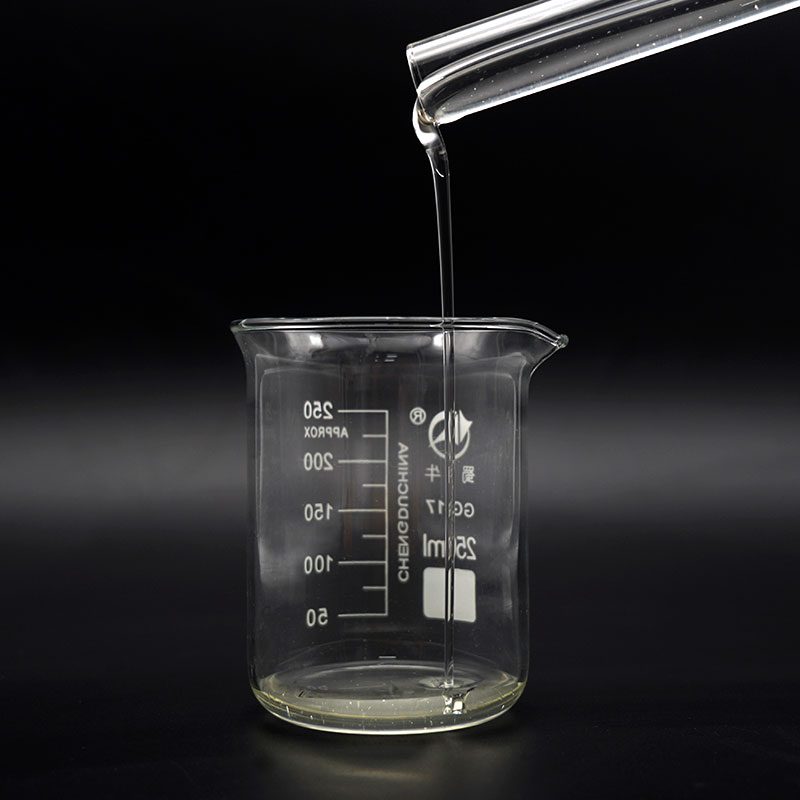


Types of water reducers
According to performance, it can be divided into ordinary water reducer, high-efficiency water reducer, and high-performance water reducer.
1) Ordinary water reducer refers to an admixture with a water reduction rate of not less than 8% under the condition that the slump of concrete is basically the same.
2) High-efficiency water reducer refers to an admixture with a water reduction rate of not less than 14% under the condition that the slump of concrete is basically the same.
3) High-performance water reducer refers to an admixture with a water reduction rate of not less than 25% under the condition that the slump of concrete is basically the same. Compared with high-efficiency water reducers, it has good slump retention performance, small drying shrinkage and certain air entrainment performance.
Due to the important contribution of high-efficiency water reducer to concrete modification, its application has become the third breakthrough in the history of concrete development after reinforced concrete and prestressed concrete, which has enabled concrete to develop from the original manual pouring or hanging tank pouring to pumping construction, saving manpower, improving work efficiency, ensuring quality, eliminating noise, and making a great leap in the technical level and construction level of concrete.
Mechanism of action of water reducer
1) Marara
After the cement is mixed with water, the cement slurry forms a flocculation structure, a 10% ki 30% of the mixing water is wrapped in the cement particles and cannot participate in free flow and lubrication, thus affecting the fluidity of the concrete mixture. I te wa ka taapirihia te whakaheke wai, ka taea e nga ngota ngota whakaheke wai te whakauru ki runga i te mata o nga matūriki ciment kia rite tonu te utu o te mata o nga matūriki ciment. (te tikanga utu kino), te hanga i te awenga whakaheke hiko, te akiaki i nga matūriki ciment kia marara tetahi ki tetahi, te hanganga flocculation ki te pakaru, me te tuku i te wahi takai o te wai kia uru ki te rere, na reira ka piki ake te rere o te ranunga raima.
2) Pānga whakahinuhinu
Ko te roopu hydrophilic i roto i te whakaheke wai he tino polar. Ko te kiriata whakaheke wai i runga i te mata o nga matūriki ciment ka taea te hanga i te kiriata wai whakarewa me nga ngota wai.. He pai te whakahinuhinu o tenei kiriata wai, ka taea te whakaiti i te aukati whakaheke i waenga i nga matūriki ciment kia pai ake ai te rere o te raima..
3) Te aukati aukati
Ko nga mekameka taha hydrophilic i roto i te hanganga whakaheke wai ka toro atu ki roto i te wairewa wai ka hanga he paparanga adsorption hydrophilic toru-ahu o tetahi matotoru i runga i te mata o nga matūriki ciment adsorbed.. Ina tata nga matūriki ciment, ka timata nga papa whakaurunga ki te inaki, ara, ka puta te aukati i waenganui i nga matūriki ciment. Ko te nui ake o te inaki, ko te nui ake o te whakahekenga steric me te nui ake o te arai ki te whakakotahitanga i waenga i nga matūriki ciment kia mau tonu ai te pakaru o te raima..
4) He puhoi te tuku o nga mekameka taha copolymer kua honoa
During the preparation process of new water reducers, such as polycarboxylic acid water reducers, some side chains are grafted on the molecules of the water reducer. The side chains can not only provide a steric hindrance effect but also be slowly cut off in the high alkalinity environment of cement hydration, releasing polycarboxylic acid with a dispersing effect so as to improve the dispersion effect of cement particles and control the slump loss.

Why does concrete need to reduce water?
A key parameter of the concrete mix ratio is the water-cement ratio, ara, the ratio of water to cementitious material. The higher the water-cement ratio, the better the workability of fresh plastic concrete, the easier it is to construct, but the lower the strength of concrete. In order to solve this contradiction, a water reducer needs to be added to improve strength without sacrificing workability or to reduce cement dosage while maintaining workability and strength.
The essential function of a water reducer is to reduce the water consumption of concrete, and it is one of the indispensable raw materials for concrete materials. The strength of concrete is closely related to the water-cement ratio. At a certain slump, the smaller the water consumption, the higher the strength. Adding a water reducer can reduce water consumption while keeping the slump unchanged, thus improving the strength of concrete.
In the low strength grade range below C30, the use of a water reducer can reduce cement consumption, reduce costs, and improve the workability of plastic concrete.
In the medium strength grade range of C40 to C50, Ko te tikanga he whakaheke wai hei whakarite i te kaha mahi (pupuhi) me te kaha o te raima.
Mo te awhe tohu kaha teitei i runga ake i te C50, me te kore whakamahi i te whakaheke wai kaha-nui ranei, ko te raima karekau he kaha ki te mahi, he uaua ki te hanga i te raima whakarewa.
Ko te raima maemaa me konatunatua ki te kaihoko papu, whakaheke wai ranei, me te whakauru i nga whakauru kohuke; he whakaheke wai mahi nui me te tere whakaheke wai kia kaua e iti iho i te 25% me whakamahi mo te raima kaha teitei i runga ake i te C60; me tapiri nga whakauru kohuke me te whakaheke wai whakaheke puhoi ki te raima nui.
Kōtaha Kamupene
ConcreteFashion is the global leader in Low-Density Cellular Concrete (LDCC), Raima Maama Cellluar (CLC), me nga otinga pahuka i hangaia i mua. E mohiotia ana puta noa i te ao mo tana pono ki te rangahau, auahatanga, me te tohungatanga tono, kua whakaratohia e matou he otinga pahuka i hangaia mai i te timatanga o te tau 2012.
Ka taea e matou te whakarato i te kounga teitei superplasticizerpeneiNaphthalene Superplasticizer, HPEG 2400 PolycarboxylateSuperplasticizer, Ko te whakahiatotanga superplasticizer polycarboxylate e pupuri ana i te momo whakaheke teitei, Ko te Polycarboxylate Ether superplasticizerme etahi atuKaihanga raima raima puta noa i te ao.
Ko te kamupene he tari hangarau ngaio me te tari tirotiro kounga, he taiwhanga pai rawa atu, me te whakauru ki nga taputapu whakamatautau matatau me te pokapū ratonga kaihoko muri-hoko. Tukuna mai he imeera ki a maatau ka paato ranei i nga hua e hiahiatia ana hei tuku patai.
Ki te hiahia koe ki te mohio atu mo Ko te Polycarboxylate Superplasticizer, tēnā koa whakapā mai ki a mātou: [email protected]
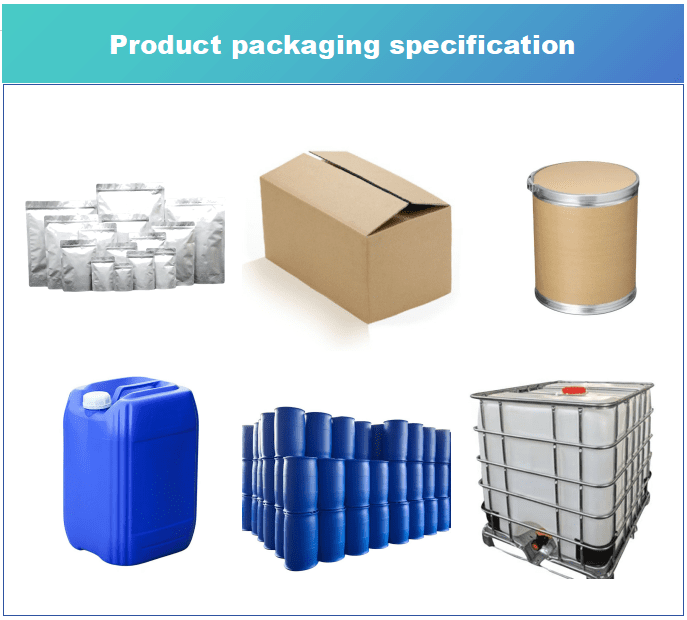
Mōkī o te Polycarboxylate Superplasticizer Paura
25Kg te peeke o waho kua rarangahia ki te peeke kirihou, ka rongoa ki te pāmahana rūma atu i te marama, makuku me te ua.
Rokiroki o te Polycarboxylate Superplasticizer Paura
Pepa kirihou hiato kapi kapi ki nga peeke kirihou
FAQs mo te Raima Superplasticizer
Q: Me pehea te mahi a nga superplasticizer?
A: Ka mahi nga superplasticizers ma te whakamarara i nga matūriki raima, te whakaiti i te mirimiri i waenga matūriki me te tuku i te ranu kia neke noa atu me te iti o te wai.
Q: Ka taea te whakamahi superplasticizer me nga momo raima katoa?
A: Ko te nuinga o nga superplasticizers he hototahi ki nga momo sima paerewa, engari ko te hototahitanga me nga whakangao taipitopito me arotake kia pai ai te pai.
Q: He ahua kino ano te whakamahi i nga superplasticizer?
A: Ahakoa whai hua, superplasticizers can sometimes create problems such as enhanced blood loss if excessive used or postponed establishing times. Proper does and blending techniques are necessary.
Q: How do I store superplasticizers?
A: Store superplasticizers in a great, dry location, shielded from direct sunshine and cold temperatures. Follow manufacturer standards for best outcomes.
Q: What is the life span of a superplasticizer?
A: Life span differs depending on the kind and storage space conditions however normally ranges from 6 months to a year. Constantly examine the producer's referrals.