


Izixazululo zochwepheshe ezithasiselweni zikakhonkolo, Umenzeli Okhipha Amagwebu Kakhonkolo, I-Superplasticizer, I-CLC Ivimba Izithasiselo, kanye nomshini okhipha amagwebu


Umenzeli Wokukhipha Ukhonkolo

s Concrete Building Formwork Mold Release Agent Water-base Release Agent
Modern Style Original Factory Whole Cement Villa Use Concrete Surface Protection Repair Agent

Cistern Precast Concrete Floor Tile Waterproof Concrete Sealer Nano-Scale Cement Mortar Concrete Waterproofing Agent

Wear Resistant Color Stamping Concrete Hardener for Outdoor Floor Engineering,stamping Color Release Agent,Stamping Hardener

Organic Silicon Waterproofing Agent, Concrete Waterproofing Agent
Concrete Mould Release Agent
Auxiliary Agent Rdp Vae Polymer Powder Redispersible RDP Powder Uesd In Waterproof Mortar Cement Tile Adhesive

Water-Based Concrete Release Agent Liquid Lubricant with Surfactant/Dispersant/Adsorbent Properties Featuring Silica Gel Carbon
Stone Protective Agent Concrete-specific Waterproofing Agent
Long-Lasting Nano-Scale Cement Mortar Concrete Waterproofing Agent Penetrative Wall Protection With Anti-Efflorescence Durable
s Spot Concrete Building Formwork Mold Release Agent Water-base Release Agent
Release Agent for Concrete Building Formwork Board and Template Sheet Mould Release Agent or Plate Brightener
Overview of Concrete Release Agent
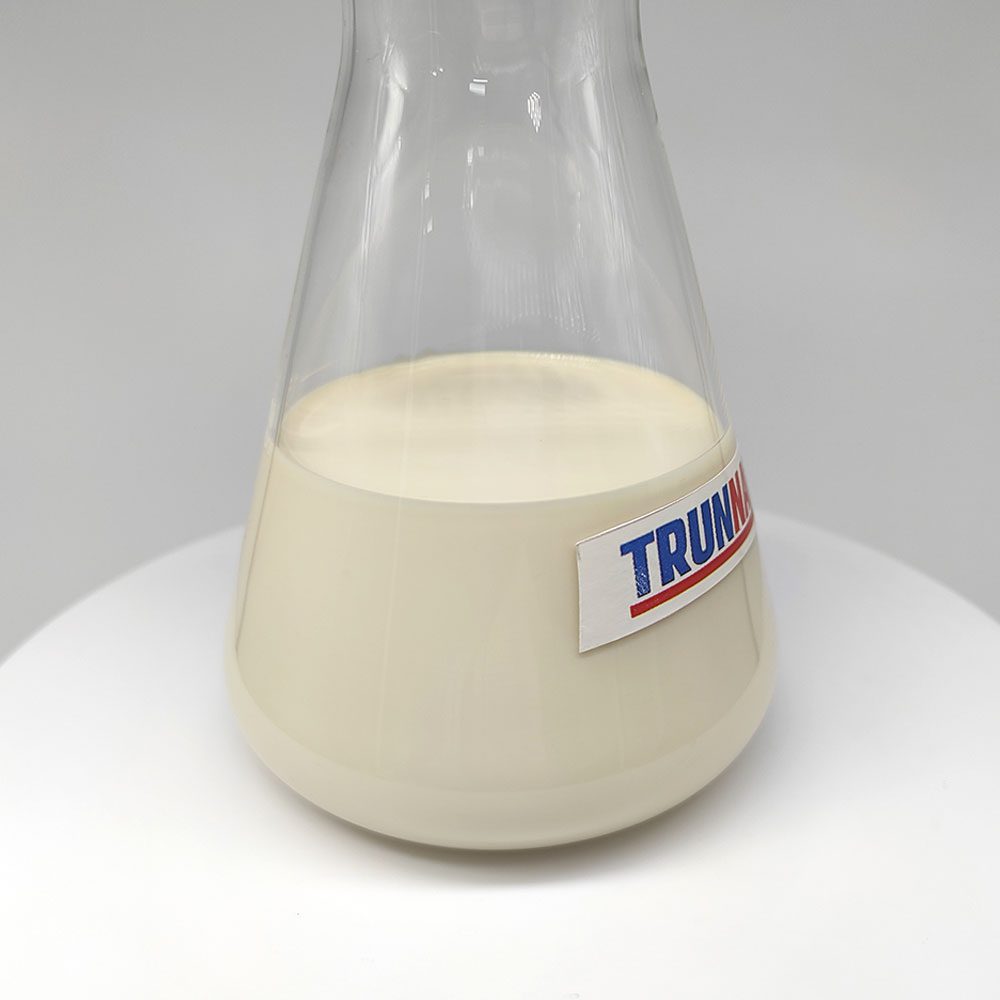
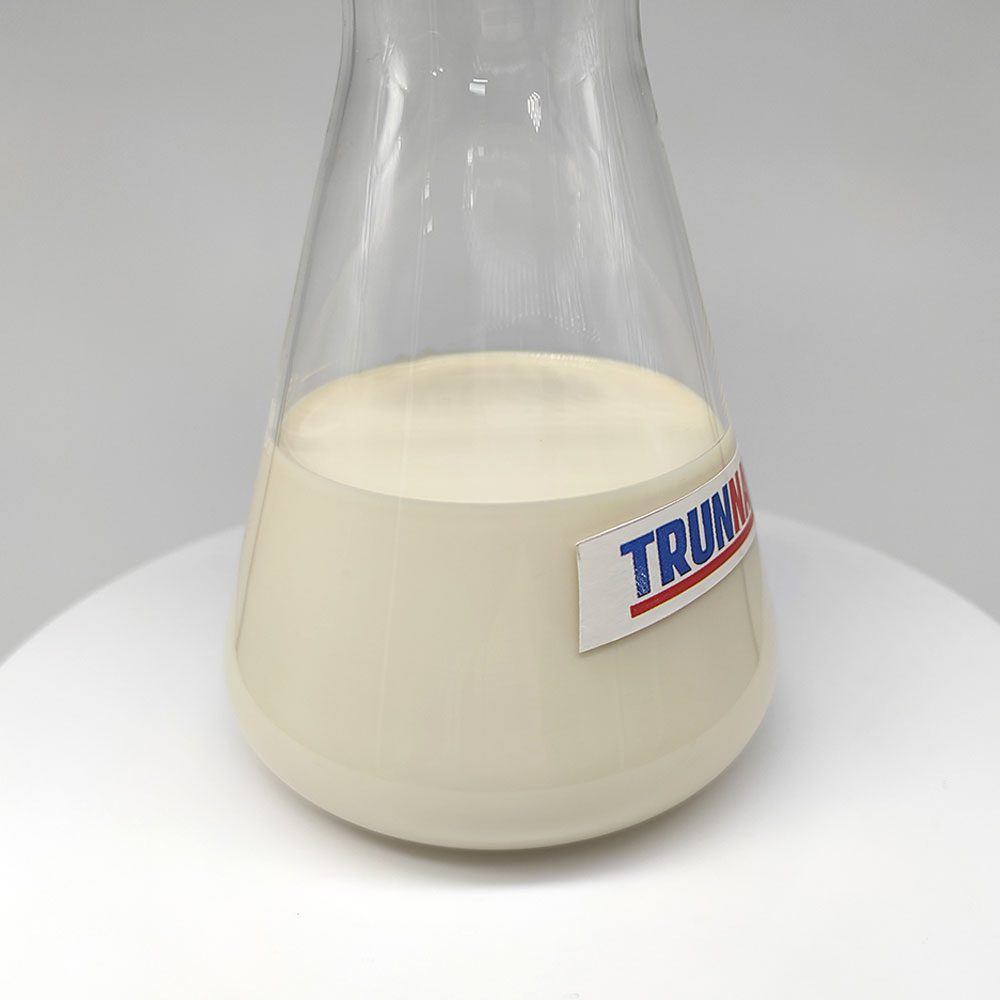
Concrete release agents are specialized coatings applied to formwork and molds used in concrete pouring to facilitate the smooth removal of the cured concrete without causing damage or leaving residue on the forms. They are essential for maintaining the integrity of both the concrete structure and the forms, ensuring a clean and efficient construction process.


Features of Concrete Release Agent
Environmentally friendly: no volatile organic compounds (VOCs), reducing hazards to the environment and the health of construction workers.
Easy to clean up: easily rinsed off with water after use, leaving no hard-to-remove grease stains or residue.
Cost-effective: water-based products are often more economical and require less water than oil-based release agents.
Versatile: Suitable for use on many types of formwork materials, including wood, metal, plastic and fibreglass reinforced plastic (FRP).
Safety and reliability: non-flammable, reducing the risk of fire; low skin irritation, improving construction safety.
Applications of Concrete Release Agent
- Construction Industry: Commonly used in the casting of concrete structures like walls, pillars, and floors.
- Architectural Precast: Ideal for creating decorative precast elements, where a clean and detailed finish is crucial.
- Bridge and Highway Construction: Essential in forming components for bridges and highways to ensure smooth surfaces and easy form removal.
- Specialty Projects: Used in intricate or artistic concrete projects where the appearance and texture of the finished product are paramount.
Iphrofayela Yenkampani
ConcreteFashion is the global leader in Low-Density Cellular Concrete (I-LDCC), I-Celluar Light Concrete (I-CLC), kanye nezixazululo ze-foam ezithuthukisiwe. Yaziwa emhlabeni wonke ngokuzibophezela kwayo ocwaningweni, emisha, nokusebenzisa ubuchwepheshe, besihlinzeka ngezixazululo zegwebu ezinobunjiniyela kusukela ekuqaleni kuka-2012.
Singahlinzeka ngekhwalithi ephezulu concrete release agent. Le nkampani inomnyango wezobuchwepheshe oqeqeshiwe kanye nomnyango wokuqondisa izinga, ilabhorethri efakwe kahle, futhi ifakwe imishini yokuhlola ethuthukisiwe kanye nesikhungo senkonzo yamakhasimende ngemva kokuthengisa.Sithumele i-imeyili noma chofoza imikhiqizo edingekayo ukuze uthumele umbuzo.
Uma ufuna ukwazi okwengeziwe Umenzeli Wokukhipha Ukhonkolo, sicela ukhululeke futhi uxhumane nathi: [email protected]

Package of Concrete Release Agent
20Kg/barrel, 200kg/barrel, igcinwe endaweni yokushisa yegumbi kude nokukhanya, umswakama kanye nemvula.
FAQs of Concrete Release Agent
What is a good release agent for concrete?
A good concrete release agent should form a lubricating film to prevent concrete from sticking to the formwork without compromising the quality or strength of the concrete. Common release agents on the market include chemically synthesized liquids, emulsions or powders, as well as natural products such as waxes and greases. Consider environmental protection, ease of use and impact on subsequent processes when choosing. A high-quality release agent is not only easy to apply, but also ensures a smooth surface effect and simplifies the demolding process.
Can I use vegetable oil for demolding?
Vegetable oil can be used as a temporary release agent, especially for small DIY projects. Vegetable oil can form a protective layer on the surface of the formwork, reducing the possibility of concrete sticking. Nokho, vegetable oil may affect the curing time and final quality of concrete, resulting in oily residue or color changes on the surface. In addition, it is not the first choice for professional construction because its durability and reliability are not as good as dedicated release agents. It is recommended to decide whether it is suitable for large-scale projects after testing a small area.
How to prevent concrete from sticking to the formwork?
To avoid concrete sticking to the formwork, the formwork surface should be cleaned and dried before pouring to remove rust, dust and other impurities. Then apply an even layer of high-quality release agent. Make sure the release agent completely covers all contact surfaces, but do not apply too much to avoid spillage and contamination of the concrete. For complex shapes or forms that are exposed to the air for a long time, apply multiple thin coats. The correct selection and application of the release agent is key.
What can I use as a binder for concrete?
Common binders for concrete include cement paste, polymer-modified cement-based binders, njll. These materials can enhance the bond between new and old concrete and are particularly suitable for repair work or layered pouring. Polymer-modified binders are popular for their excellent bonding properties and durability. Uma usebenzisa, mix according to the manufacturer's instructions, usually adding water and stirring to the appropriate consistency. Concrete laying should be carried out immediately after applying the binder to ensure the best results.