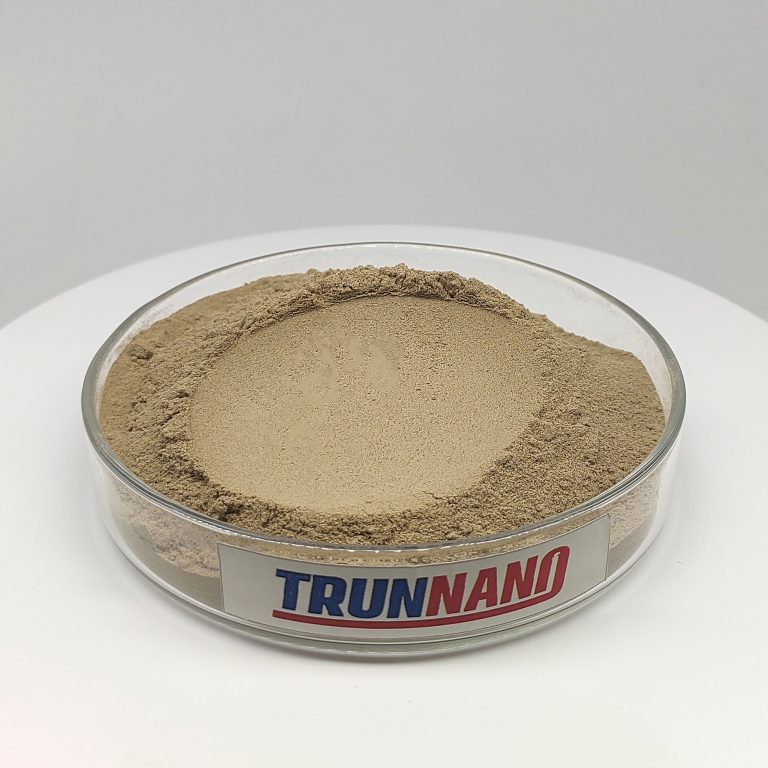
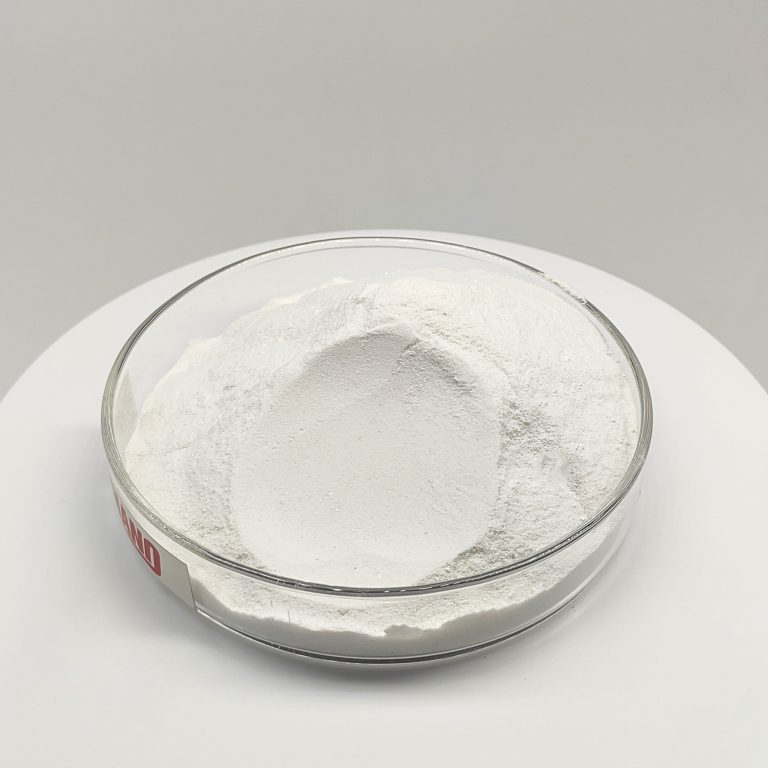
Soluciones j-ka'ansajo'ob ti' le additivos concretos, Agente u espuma concreto, Superplástico, CLC bloqueos aditivos, yéetel máquina u espuma



PARÁMETRO'OB TI' LE PRODUCTO
Bixil
Overview of Construction grade concrete additive PP fiber PET Fiber
Construction grade concrete additive PP fiber PET Fiber is chemical compounds added to concrete mixtures to improve various properties of the material, bey u páajtalil u meyaj, fortaleza, durabilidad, yéetel u k'iinil u ts'akik. Le k'iino'oba' aditivos incluyen plastificantes, retardadores, aceleradores, agentes impermeables, yéetel aj nu'uktaj iik'-entrenamiento, jujuntúulal diseñado utia'al u satisfacer kajtalo'ob ichil específicas ti' le producción concreto. Le aditivos concretos ku meyajtiko'ob comúnmente ti' le construcción comercial yéetel residencial, bey xan ti' le producción hormigón prefabricado yéetel listo-mezcla. Yo'osal u ma'alo'obkíinsiko'ob u meyaj yéetel u ma'alobil le hormigón, le k'iino'oba' aditivos ku yáantiko'ob ma'alo'obkíinsiko'ob u eficiencia tuláakal le múuch'meyaj construcción mientras u asegura le durabilidad yéetel le longevidad le ba'ax acabada. Chéen ch'a'abil u ts'áabal ichil le mezcla yéetel ku ts'aik soluciones rentables uti'al u ma'alo'obkíinsiko'ob u propiedades le hormigón ti' jump'éel amplia gama aplicaciones.
Characteristics of Construction grade concrete additive PP fiber PET Fiber
Muuk' asab ma'alo'ob: Le aditivos ti' le hormigón páajtal ya'abtal significativamente u muuk' le compresión ti' le hormigón, beetik u asab resistente ti' le presión yéetel le estrés. Le je'ela' ku yáantik u xáantal yéetel u xáantal le ba'alo'obo', u xu'ulsik u páajtalil u ja'atsal wa u k'astal.
Ma'alo'obkíinsa'al u meyaj: Aditivos bey plastificantes yéetel superplastificantes ma'alo'obkíinsiko'ob u fluidez yéetel consistencia le hormigón, beetik u asab ch'a'abil u meyaj, ts'áik, yéetel ts'o'oksik. Le je'ela' ku yáantik u meyaj máak te' kúuchil construcción yéetel ku xu'ulsik u tojol meyaj.
asab séeba'an u ts'akik: Aceleradores, jump'éel u jejeláasil aditivo ti' hormigón, wáantik u séebtal le tuukula' curado, ku cha'ik u k'iinil u ts'a'abal asab séeba'an yéetel u ts'o'okol asab séeba'an le meyajo'obo'. Le je'ela' jach k'a'anan ti' le k'iin síis wa ken u séeba'an u k'iinil construcción.
Ya'abtal u durabilidad: Ya'ab aditivos, bey agentes reductores u ja' yéetel compuestos impermeables, ya'abtal u muuk' le hormigón ti' le k'aas condiciones ambientales bey le ciclos congelación-descongelación, u yokol ja', yéetel u exposición química, u yilik u meyaj chowak k'iin.
Ma'alo'ob adherencia yéetel vinculación: Yaan aditivos ku ma'alo'obkíinsiko'ob u nupikubáa ichil le hormigón yéetel uláak' materiales, bey acero u refuerzo wa agregados, ma'alo'obkíinsiko'ob u integridad estructural tuláakal yéetel xu'ulsiko'ob le posibilidades u delaminación wa separación.
Versatilidad uti'al jejeláas aplicaciones: Le aditivos concretos ku jach versátiles yéetel páajtal utilizar u ti' jump'éel amplia gama aplicaciones, tak najo'ob tu'ux kaja'an máak tak nukuch meyajo'ob infraestructura. Táan formulados utia'al u satisfacer kajtalo'ob ichil específicas bey le hormigón ka'anal resistencia, hormigón autocompactante, wa hormigón durable uti'al condiciones extremas.
Eficiente ti' u tojol: Yo'osal u ma'alo'obkíinsiko'ob u ma'alobil yéetel u meyaj le hormigón, le aditivos ku xu'ulsiko'ob u k'a'abéettal u mantenimiento yéetel reparaciones adicionales, ku bisik ti' jump'éel t'áal k'u' u tojol significativo ti' le chowak plazo. Beyxan, ku yáantiko'ob u ma'alo'obkíinsiko'ob u diseño le mezcla, u xu'ulul u xu'ulul le xooko'obo'.
Amigable yéetel le ka'a jeets'o': Ya'ab aditivos concretos modernos ku formulados yéetel xak'o'ob ecológicos, ku yáantaj ti' le meyajo'ob construcción asab sostenibles. Le k'iino'oba' aditivos ku yáantiko'ob minimizar le huella carbono yéetel ma'alo'obkíinsiko'ob u rendimiento ambiental ti' le hormigón.
Mejorado u acabado u superficie: Aditivos bey agentes iik'-entrenamiento páajtal ma'alo'obkíinsiko'ob u acabado yéetel apariencia le hormigón yo'osal u prevención defectos bey agrietamiento, panal, wa u juuch'bil le superficie, asegurando jump'éel liso, superficie u grado j-ka'ansajo'ob.

Specification of Construction grade concrete additive PP fiber PET Fiber
Construction grade concrete additive PP fiber and PET fiber are synthetic fibers added to concrete mixes. These fibers help control cracking and improve concrete toughness. Concrete cracks easily when it dries or under stress. Adding these fibers helps stop cracks from growing big. They make the concrete stronger against impacts and abrasion. You mix them in during the batching process. They spread out evenly throughout the concrete mix. This creates a network inside the concrete. This network holds the concrete together better. It bridges across small cracks. This prevents those cracks from getting wider. láaj jo'ochiko'obe' PP u k'áat u ya'al láaj jo'ochiko'obe' polipropileno. PET fiber stands for polyethylene terephthalate fiber. Both materials are strong and resist chemicals. They don’t rust like steel fibers. PP fiber is known for its flexibility. PET fiber offers high tensile strength. These fibers are very fine. They are usually cut to specific lengths. Common lengths are between 6mm and 50mm. The dosage depends on the project needs. Typical amounts range from 0.6 kg to 1.5 kg per cubic meter of concrete. Using these fibers improves concrete durability. It reduces surface cracking and spalling. It minimizes plastic shrinkage cracks during curing. The concrete becomes more resistant to wear. It handles freeze-thaw cycles better. These fibers are suitable for many concrete applications. They are used in industrial floors and pavements. They work well in precast concrete products. They are good for shotcrete applications. You find them in bridge decks and parking lots. They are also used in foundations and walls. Adding PP or PET fiber is a simple step. It significantly enhances concrete performance. It provides extra reinforcement throughout the entire slab or structure. This reinforcement helps the concrete last longer. It reduces maintenance costs over time. Builders appreciate the improved quality and toughness.
Applications of Construction grade concrete additive PP fiber PET Fiber
PP and PET fibers are synthetic fibers added to concrete mixes. They are construction-grade additives. These fibers significantly improve concrete performance. ku yáantiko'ob u controlar le agrietamiento. They enhance overall durability. Concrete shrinks as it cures. This shrinkage often causes cracks. PP and PET fibers work inside the mix. They form a network throughout the concrete matrix. This network holds the material together better. It bridges small cracks as they start. This greatly reduces plastic shrinkage cracking. It minimizes early-stage damage. These fibers boost impact resistance. They help concrete withstand sudden blows. They improve abrasion resistance. Le superficies concretas ku xáantal. The fibers reduce surface wear. They enhance toughness. The concrete handles stress better. It doesn’t break as easily. Fiber-reinforced concrete resists spalling. This is important for fire resistance. The fibers melt but leave channels. These channels let steam escape. This prevents explosive spalling during fires. Adding PP or PET fibers is simple. They are dosed directly into the concrete mixer. They disperse evenly throughout the batch. They do not require major changes to mixing procedures. They are compatible with most standard concrete mixes. These fibers find use in many applications. Industrial floors see heavy traffic. Fibers help them resist cracking. Warehouses and factories benefit greatly. Slabs on ground often crack. Fibers reduce this common problem. They are used in driveways and patios. Pavements and sidewalks use fiber reinforcement. It improves long-term surface quality. Shotcrete applications gain from fibers. Fibers help hold the sprayed material in place. They improve adhesion to vertical surfaces. Tunnels and mining often use shotcrete. Precast concrete elements use fibers. They provide extra toughness. Tilt-up panels and pipes are examples. Water-retaining structures use fiber concrete. It helps reduce permeability. Pools and tanks are typical applications. Foundations and footings crack less with fibers. The fibers offer cost-effective reinforcement. They provide secondary crack control. They complement primary steel reinforcement. They improve long-term service life. They reduce maintenance needs. Concrete structures stay functional longer.
Perfil ti' le empresa
To'one' le líder mundial ti' hormigón ligero yéetel soluciones espuma ingeniería avanzada. K'ajóolta'an tu yóok'ol kaabe' tumen u ts'áaik u yóol ti' le investigación, túumbens, yéetel k'ajóolil aplicado, ts'o'ok k ts'áaik soluciones espuma ingeniería tak u káajbal 2012.
Je'el u páajtal k suministrar ka'anal calidad concreto admixture yéetel espuma hormigón relacionados yéetel yik'áalil tu yóok'ol kaabe'.
Le empresa yaan ti' jump'éel departamento técnico j-ka'ansajo'ob yéetel departamento supervisión calidad, jump'éel laboratorio ma'alob nu'ukulo'ob, yéetel equipado yéetel nu'ukulil prueba avanzada yéetel chúumukil mayaj ti' le cliente post-venta.
wa yaan a k'áat, ma' a ch'a'ik saajkil yéetel t'aan yéetel to'on.
Bo'ol
T/T, Unión u occidental, Paypal, Tarjeta de crédito etc.
Envío
Tuméen iik', tumen k'áak'náab, tumen expreso, je'el bix u k'áatik le clientes.
5 FAQs of Construction grade concrete additive PP fiber PET Fiber
People have questions about polypropylene (PP) and polyethylene terephthalate (PET) fibers used in construction concrete. These are the common ones.
What are PP and PET fibers? They are tiny synthetic strands added to concrete mixes. PP fibers are polypropylene. PET fibers are often made from recycled plastic bottles. Both types are strong and resist chemicals found in concrete.
Why add fibers to concrete? Plain concrete can crack easily as it dries and hardens. It can also break under stress. Adding these fibers helps hold the concrete together. They reduce cracking and make the concrete tougher. This improves the concrete’s overall performance and lifespan.
How do these fibers work inside the concrete? The fibers spread out randomly throughout the concrete mix. When tiny cracks start to form, the fibers bridge across them. They hold the concrete matrix together. This stops small cracks from getting bigger. ku beetik u le hormigón asab resistente ti' le impactos yéetel le desgaste.
How are PP and PET fibers used? Workers add the fibers directly into the concrete mixer during batching. They mix the fibers thoroughly with the cement, ja', yéetel agregados. The fibers disperse evenly. This ensures they work effectively throughout the entire concrete batch. Adding them is straightforward.
What benefits do these fibers offer? Using PP or PET fibers significantly reduces plastic shrinkage cracking. This is the cracking that happens as the concrete first sets. The fibers also improve impact resistance. They enhance the concrete’s durability against abrasion. Treated concrete surfaces often last longer. They require less maintenance over time. These fibers are a cost-effective way to improve concrete quality.