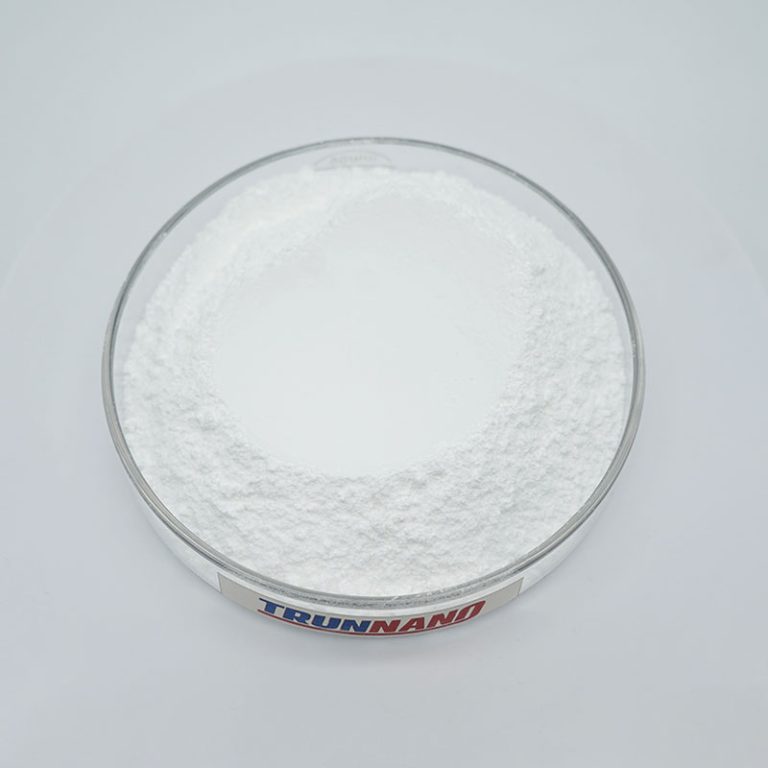
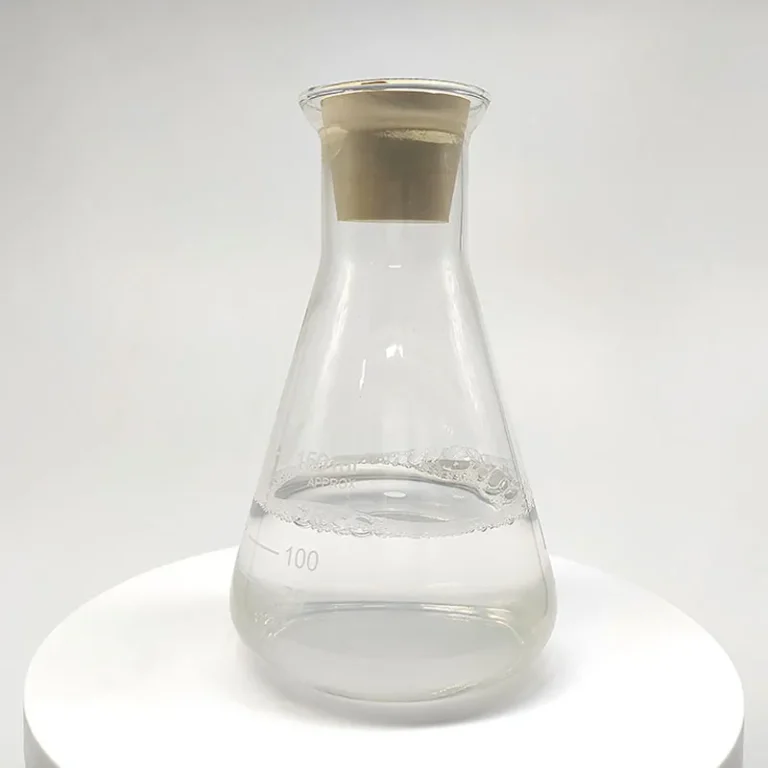
Izisombululo zobungcali kwizongezo zekhonkrithi, Iarhente yogwebu ekhonkrithi, Superplasticizer, I-CLC ibhloka izongezo, kunye nomatshini wokukhupha amagwebu



IIPARAMETHA ZEMVELISO
Inkcazo
Overview of Animal Protein CLC Block Foaming Agent Liquid Cellular Lightweight Concrete Fluid Cement Admixtures & Izongezo zodaka
Iprotheyini yezilwanyana i-CLC iBhloka i-Agent egwebuyo Ulwelo lweSelula oluKhala ngeKhonkrithi eLululo lwezidibaniso zesamente & Mortar Additives is chemical compounds added to concrete mixtures to improve various properties of the material, njengokusebenza, amandla, ukuqina, kunye nexesha lokuphumla. Ezi zongezo ziquka iiplastiki, abagadi, ii-accelerators, ii-agent zokuthintela amanzi, kunye neearhente zokungenisa umoya, nganye yenzelwe ukuhlangabezana neemfuno ezithile kwimveliso yekhonkrithi. Izongezo zekhonkrithi zisetyenziswa ngokuqhelekileyo kulwakhiwo lwezorhwebo kunye nendawo yokuhlala, kunye nakwimveliso ye-precast kunye nokulungelelaniswa komxube wekhonkrithi. Ngokuphucula ukusebenza kunye nomgangatho wekhonkrithi, ezi zongezo zinceda ekuphuculeni ukusebenza kakuhle kweeprojekthi zokwakha ngelixa ziqinisekisa ukuqina kunye nobomi obude besakhiwo esigqityiweyo.. Zilula ukuzifaka kumxube kwaye zinike izisombululo ezingabizi kakhulu zokuphucula iimpawu zekhonkrithi kuluhlu olubanzi lwezicelo..
Characteristics of Animal Protein CLC Block Foaming Agent Liquid Cellular Lightweight Concrete Fluid Cement Admixtures & Izongezo zodaka
Amandla Ongeziweyo: Izongezo zekhonkrithi zinokunyusa kakhulu amandla oxinzelelo lwekhonkrithi, ukuyenza ikwazi ukumelana noxinzelelo kunye noxinzelelo. Oku kuqinisekisa ukuhlala ixesha elide kunye nokuqina kwezakhiwo, ukunciphisa amathuba okuqhekeka okanye ukungaphumeleli.
Ukuphuculwa kokuSebenza: Izongezo ezifana neplastiki kunye ne-superplasticizers ziphucula ukuhamba kunye nokuhambelana kwekhonkrithi, ukwenza kube lula ukuphatha, galela, kwaye ugqibe. Oku kwandisa imveliso kwisiza sokwakha kwaye kunciphisa iindleko zabasebenzi.
Ukunyanga ngokukhawuleza: Ii-accelerators, uhlobo lwesongezo sekhonkrithi, nceda ukukhawulezisa inkqubo yokunyanga, Ukuvumela amaxesha okumisela ngokukhawuleza kunye nokugqitywa ngokukhawuleza kweeprojekthi. Oku kuluncedo ngakumbi kwimozulu ebandayo okanye xa kukhawuleza ukulandelela amaxesha okwakha.
Ukonyuka koKuhlala ixesha elide: Izongezo ezininzi, njengama-agent okunciphisa amanzi kunye neengqungquthela zokukhusela amanzi, ukwandisa ukuxhathisa kwekhonkrithi kwiimeko ezinzima zokusingqongileyo ezifana nemijikelo yokuqhaqhazela, ukungena kwamanzi, kunye nokuvezwa kweekhemikhali, ukuqinisekisa ukusebenza kwexesha elide.
Ukuncamathela okungcono kunye nokudibanisa: Izongezo ezithile ziphucula ukudibanisa phakathi kwekhonkrithi kunye nezinye izinto, njengokuqinisa intsimbi okanye iiaggregates, ukwandisa imfezeko yolwakhiwo ngokubanzi kunye nokunciphisa amathuba okudityaniswa okanye ukwahlukana.
Ukuguquguquka kweeNkqubo ezahlukeneyo: Izongezo zekhonkrithi zininzi kakhulu kwaye zinokusetyenziswa kuluhlu olubanzi lwezicelo, ukusuka kwizakhiwo zokuhlala ukuya kwiiprojekthi ezinkulu zeziseko ezingundoqo. Ziyilwe ukuhlangabezana neemfuno ezithile ezifana nekhonkrithi ephezulu yamandla, ikhonkrithi yokuzenzela, okanye ikhonkrithi ehlala ixesha elide kwiimeko ezinzima.
Iindleko-Ngokonga: Ngokuphucula umgangatho kunye nokusebenza kwekhonkrithi, izongezo zinciphisa imfuno yolondolozo olongezelelweyo kunye nokulungiswa, okukhokelela kugcino lweendleko ezibalulekileyo kwixesha elide. Ukongeza, zinceda ukongeza uyilo lomxube, ukunciphisa inkunkuma yezinto.
Indawo intle: Izongezo ezininzi zanamhlanje zekhonkrithi zenziwe nge-eco-friendly izithako, igalelo kwimisebenzi yokwakha ezinzileyo. Ezi zongezo zinceda ukunciphisa i-carbon footprint kunye nokuphucula ukusebenza kokusingqongileyo kwekhonkrithi.
Umphezulu Owomeleziweyo Gqiba: Izongezo ezifana ne-air-entraining agents zinokuphucula ukugqiba kunye nokubonakala kwekhonkrithi ngokuthintela iziphene ezifana nokuqhekeka, incama yobusi, okanye uthuli olungaphezulu, ukuqinisekisa ukuba igudile, umgangatho wobungcali.

Specification of Animal Protein CLC Block Foaming Agent Liquid Cellular Lightweight Concrete Fluid Cement Admixtures & Izongezo zodaka
Our animal protein CLC block foaming agent is a specialized liquid additive. It creates stable foam for cellular lightweight concrete. The agent is made from hydrolyzed animal proteins. This base gives consistent and reliable foam generation. You use this fluid directly in cement mixes. It produces millions of tiny air bubbles throughout the concrete matrix.
This foaming action significantly reduces the concrete’s density. The result is lightweight CLC blocks or panels. These blocks are much easier to handle and transport. The foam structure provides excellent thermal insulation properties. Buildings stay warmer in winter and cooler in summer. It also enhances the material’s soundproofing ability.
Our foaming agent ensures strong foam bubbles. These bubbles do not collapse easily during mixing and pouring. This stability is crucial for uniform concrete quality. The agent works well with various cement types. It integrates smoothly into mortar mixtures too. Good compatibility is essential for consistent results.
Using this additive improves workability. The concrete flows better into molds and forms. It helps achieve precise shapes and smooth surfaces. Reduced weight means less structural load on buildings. Foundations and support structures can be smaller. This leads to overall cost savings in construction.
The liquid is ready to use. You add it directly during the concrete batching process. Precise dosing controls the final density of the CLC. Lower density means better insulation but less strength. Higher density offers greater strength with less insulation. You find the right balance for the project. Typical dosage rates are clearly provided. Proper mixing ensures even foam distribution.
Key specifications include high concentration for efficiency. It offers excellent shelf life when stored correctly. The product performs reliably in different climates. Consistent bubble size creates uniform cell structure in the cured concrete. This uniformity is vital for predictable strength and performance. Our foaming agent meets industry standards for quality. It helps produce durable, energy-efficient lightweight concrete structures.
Applications of Animal Protein CLC Block Foaming Agent Liquid Cellular Lightweight Concrete Fluid Cement Admixtures & Izongezo zodaka
Animal protein CLC block foaming agent liquid makes lightweight concrete. It creates many tiny bubbles in the concrete mix. La maqamza enza ikhonkrithi ibe khaphukhaphu. This liquid uses animal protein. The animal protein helps make strong, amaqamza ezinzile. Stable bubbles are important for good foam concrete. The foam concrete becomes cellular lightweight concrete, or CLC.
CLC blocks have many advantages. They are much lighter than normal concrete blocks. This makes them easier to handle and transport. Builders can work faster. The blocks reduce the total weight on a building structure. This can save costs on foundations. Lighter blocks also mean less strain during construction.
The foam agent creates air pockets inside the concrete. These air pockets provide excellent thermal insulation. Buildings made with CLC blocks stay warmer in winter. They stay cooler in summer. This helps save energy for heating and cooling. Homeowners pay less for utilities.
CLC blocks also offer good sound insulation. The air pockets absorb sound waves. This makes rooms quieter. It is useful for homes, iiofisi, and schools. Noise from outside or other rooms is reduced.
This foaming agent liquid works well with cement and mortar. It mixes easily into the slurry. The foam stays stable during pouring and curing. This ensures uniform block quality. You get consistent density and strength throughout the block. Good foam stability means fewer weak spots.
Abakhi basebenzisa ezi bloko kwiindonga, partitions, and panels. They are suitable for load-bearing and non-load-bearing walls. The blocks are also used for floor fill and roof insulation. Lightweight fill applications are common. The material is fire-resistant. It provides passive fire protection.
Iprofayile yekhampani
Siyinkokeli yehlabathi kwikhonkrithi ekhaphukhaphu kunye nezisombululo zogwebu zobunjineli obuphambili. Yaziwa kwihlabathi jikelele ngokuzibophelela kuphando, ukusungula izinto ezintsha, kunye nobuchule obusetyenzisiweyo, besibonelela ngezisombululo zamagwebu ezinobunjineli ukusukela ekuqaleni kowama-2012.
Singabonelela ngomxube wekonkrithi okumgangatho ophezulu kunye neemveliso ezinxulumene nekhonkrithi egwebu kwihlabathi liphela.
Inkampani inesebe lobuchwephesha lobuchwephesha kunye nesebe lokulawula umgangatho, ilabhoratri enezixhobo ezifanelekileyo, kwaye ixhotyiswe ngezixhobo zokuvavanya eziphambili kunye neziko lenkonzo yabathengi emva kokuthengisa.
Ukuba unomdla, nceda uzive ukhululekile kwaye uqhagamshelane nathi.
Intlawulo
T/T, uwestern Union, I-Paypal, Ikhadi letyala njl.
Ukuthunyelwa ngenqanawa
Ngomoya, ngolwandle, nge-express, njengoko abathengi becela.
5 FAQs of Animal Protein CLC Block Foaming Agent Liquid Cellular Lightweight Concrete Fluid Cement Admixtures & Izongezo zodaka
Here are the key things people ask about our Animal Protein CLC Block Foaming Agent Liquid.
Yintoni le arhente igwebu? It’s a special liquid additive. You use it when making Cellular Lightweight Concrete blocks. It helps create lots of tiny, strong air bubbles in the cement mix. Oku kwenza ikhonkrithi ibe khaphukhaphu kakhulu.
Ingaba isebenza kanjani? You add the liquid to water first. You dilute it as directed. Then you mix this diluted liquid into your cement slurry. The protein reacts. This reaction produces stable air bubbles throughout the mixture. La maqamza enza ikhonkrithi ibe khaphukhaphu.
What are the benefits? Using this foaming agent gives you lightweight concrete blocks. These blocks are easier to handle and transport. They provide good thermal insulation and soundproofing. They are also strong enough for construction uses. They save material costs too.
How do I use it? Landela imiyalelo yokuxuba ngononophelo. The right dilution ratio is important. Mix the diluted agent thoroughly into your cement slurry. Use a foam generator for the best bubble quality. Consistent mixing ensures good foam and uniform lightweight blocks.
Are there any handling precautions? Store the liquid in its original container. Keep it in a cool, dry place away from direct sun. Avoid freezing temperatures. Use protective gloves when handling. Rinse skin with water if contact happens. Always check the safety sheet for detailed information.