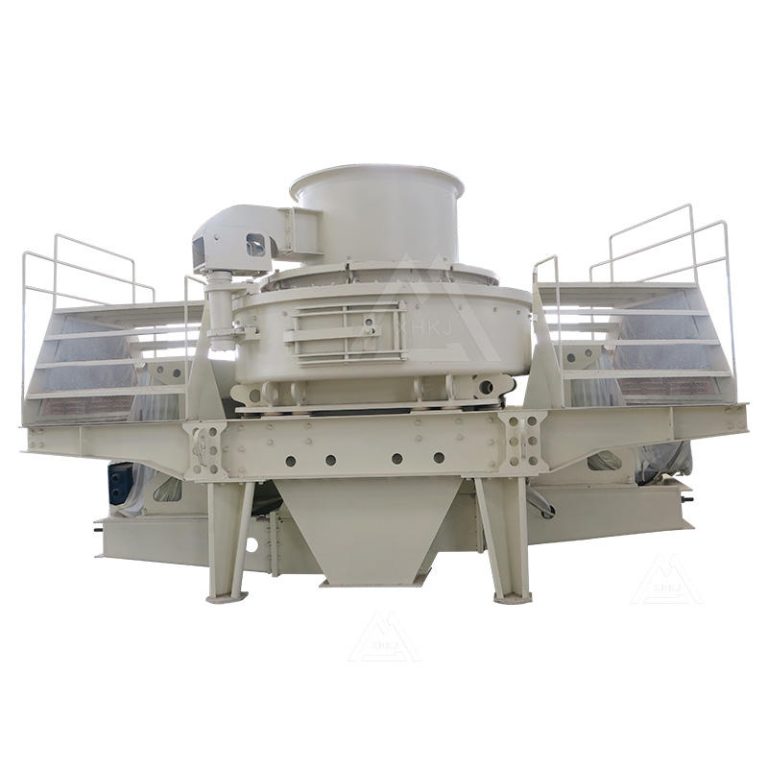
Professional mhinduro pane kongiri zvinowedzerwa, Concrete Foaming Agent, Superplasticizer, CLC Inovhara Zviwedzerwa, uye muchina unopupuma furo



PRODUCT PARAMETERS
Tsanangudzo
Overview of concrete water reducing agent
concrete water reducing agent represents the third generation of water-reducing agents following lignin and naphthalene-based types, kubatanidza iyo yepamusoro yemazuva ano kongiri admixture tekinoroji. Ichi chigadzirwa chinoshandisa advanced molecular chimiro dhizaini uye inogadzirwa kuburikidza nepolymerization maitiro, zvichiita kuti pave ne-high-performance-performance-reduction agent ine muzinga-kufanana ne-molecular structure. Iyo inowana kuparadzirwa kwemasimende zvimedu kuburikidza neine simba steric hindrance effect, kuwedzera zvakanyanya kushanda kwekongiri uye zvivakwa zvekuvaka. Ndiyo yakasarudzika yakakosha zvinhu zvekugadzira yakakwirira-kuita, high-simba, uye yakakwirira-yakasimba kongiri.
Features of concrete water reducing agent
1. Yakakwirira Mvura-Kuderedza Mwero: Anobudirira kusvika 40% kuderedza mvura, kudzikisa zvakanyanya kushandiswa kwemvura pachiyero chekongiri uye kupa hwaro hwakasimba hwekugadzira yakakwirira-simba uye yekupedzisira-yakakwirira-yakasimba kongiri. (C60 uye pamusoro).
2. Yakanakisa Slump Kuchengeta: Yakasarudzika inononoka-kuburitsa slump retention tekinoroji inodzora zvinobudirira kurasikirwa, kuchengetedza kushanda kwakanaka uye kupomba kwe 1-2 maawa. Izvi zvinosangana nezvinodiwa zvekufambisa daro refu uye kuvaka mukati memwaka wekupisa kwakanyanya.
3. Mushonga wakaderera, kukwirira kwepamusoro: Zvichienzaniswa nezvinoderedza mvura zvechinyakare, inoda kuderedzwa kwedosi (kazhinji 0.15%-0.3% zvichienderana nehuremu hwesimende) panguva yekuendesa kwakakosha kuita, inopa mabhenefiti epamusoro ehupfumi uye zvakatipoteredza.
4. Superior Adaptability: Inoenderana neakasiyana simende brand uye mineral admixtures (e.g., kubhururuka madota, mineral powder, silica fume), kunyatsogadzirisa nyaya dzakajairika sekubuda ropa uye kupatsanurwa mukongiri.
5. Green uye Eco-Hushamwari: Yemahara kubva kune zvinokuvadza zvinhu senge formaldehyde uye nitrites panguva yekugadzira, isingakuvadzi kuvanhu, ushamwari kwezvakatipoteredza, uye inoenderana nekuvakwa kwakasvibira uye inoenderera mberi zvinodiwa.
6. Kuwedzera Simba Kwakakosha: Anobudirira a 10%-15% kuderedza kushandiswa kwesimende kune simba rakaenzana, kana kuwedzera zvakanyanya simba rekongiri pamazera ese ane zvakafanana simende zvirimo.
7. Enhanced Concrete Durability: Zvinonyatsodzikisa chloride diffusion coefficient, inoderedza shrinkage uye zvinokambaira, uye zvinonyatso vandudza kongiri kusapinda, freeze-thaw resistance, uye carbonation kuramba, kuwedzera hupenyu hwesevhisi yezvimiro.

Specification of concrete water reducing agent
Concrete water reducing agents are important chemical additives. They help manage water in concrete mixes. Builders use them to make concrete stronger and easier to work with. The main job is to lower the water needed for mixing. Less water improves the concrete’s final quality.
These agents work by changing how cement particles act. They make the cement particles push away from each other. This action is called dispersion. Better dispersion lets the concrete flow smoothly without extra water. The mix stays workable. Workers can pour and shape it easily.
Using a water reducing agent offers several clear advantages. Chekutanga, it cuts the water requirement significantly. Typical reductions range from 5% ku 15%. Less water directly means higher strength. The concrete gets denser and more durable. This is crucial for strong structures. Chepiri, it improves the concrete’s workability. The mix feels smoother and flows better into forms. Workers have an easier time placing and finishing it. Third, it can help reduce cracking. Denser concrete shrinks less as it dries.
The specifications for these agents matter. They usually come as a liquid or powder. Common forms include brown liquids or white powders. The dosage is critical. Builders add it based on the cement weight. Dosage rates typically fall between 0.2% uye 1.5%. The exact amount depends on the product and the desired effect. The agent must work well with the cement type. Compatibility testing is often necessary. It should not cause bad reactions. The agent should not contain harmful chlorides. Chlorides can cause steel reinforcement to rust. This is a major problem. Performance testing checks the water reduction and strength gain. Products meet standards like ASTM C494 or EN 934. These standards define minimum performance levels. Shelf life is another factor. Liquid agents usually last six months to a year. Powder forms often last longer. Storage conditions affect this. Keep them cool and dry.
Applications of concrete water reducing agent
Concrete water reducing agents are super useful additives. Builders add them to concrete mixes. They make the wet concrete easier to work with. You need less water to get the concrete flowing nicely. This is a big deal for placing and finishing concrete well.
Using less water directly helps the hardened concrete get stronger. Excess water leaves holes and weaknesses as it dries out. Less water means fewer holes. Stronger concrete is the result. This is crucial for building strong structures like bridges or tall buildings.
These agents also help concrete last longer. Less water means less chance for harmful chemicals to get inside. This makes the concrete more resistant to things like freeze-thaw cycles or salt damage. Your concrete surfaces stay looking better and needing less repair.
Getting concrete into tricky spots is easier too. The mix stays fluid without needing extra water. Pumping concrete becomes simpler. Filling complex forms is less messy. This saves time and effort on the job site.
You can achieve a smoother finish on the concrete surface. Less water reduces problems like bleeding. Bleeding is when water rises to the top. This leads to a weaker surface layer. A denser, better-looking finish is possible.
Sometimes builders want high-strength concrete. Water reducers are key for this. They allow a very low water-to-cement ratio. This ratio is critical for maximum strength. Very strong concrete needs these additives.
Saving money is another benefit. Using less cement is possible while keeping the same strength. Cement is expensive. Reducing the amount needed cuts costs significantly. Projects become more economical.
Profile yekambani
Isu tiri mutungamiri wepasirese mune lightweight kongiri uye advanced enjiniya foam mhinduro. Inozivikanwa pasi rose nekuzvipira kwayo kutsvaga, innovation, uye hunyanzvi hwekushandisa, tanga tichipa zvigadziriso zvefuro kubva kutanga kwa2012.
Isu tinokwanisa kupa yemhando yepamusoro kongiri musanganiswa uye foam kongiri ine hukama zvigadzirwa pasi rese.
Iyo kambani ine dhipatimendi rehunyanzvi tekinoroji uye dhipatimendi rekutarisa mhando, rabhoritari yakanyatsogadzirwa, uye yakashongedzerwa nemidziyo yekuyedza yepamusoro uye mushure mekutengesa kwevatengi sevhisi nzvimbo.
Kana uchifarira, ndapota inzwa wakasununguka uye taura nesu.
Payment
T/T, Western Union, Paypal, Kadhi rechikwereti nezvimwe.
Shipment
Nemhepo, negungwa, by express, sekukumbira kwevatengi.
5 FAQs of concrete water reducing agent
Hezvinoi 5 common questions about concrete water reducing agents:
What is a concrete water reducing agent? It’s a chemical added to concrete mix. Its main job is reducing the water needed. Concrete needs water to mix and set. Too much water weakens the final concrete. The agent helps avoid this problem.
How does a water reducing agent work? These chemicals coat the cement particles. Normally, cement particles clump together. This clumping traps water. The coating makes the particles repel each other. They spread out instead of clumping. This releases trapped water. The mix becomes more fluid. Less extra water is needed for workability.
What are the main benefits of using one? The biggest benefit is stronger concrete. Less water means fewer voids after curing. Denser concrete is much stronger. It also improves workability. The concrete flows easier into forms. Pumping is easier. You might use less cement too. This saves money. Surface finish often improves as well.
Are there different types? Ehe, there are common types. Basic types offer moderate water reduction. Mid-range types give better reduction. They often help with setting time. High-range superplasticizers give the most reduction. They make very flowable concrete. Some types work faster. Others last longer in the mix. The best type depends on the project needs.
How much agent should be used? Mari yacho inosiyana. It depends on the specific agent. It depends on the cement type. It depends on the desired concrete slump. Always follow the manufacturer’s instructions. They provide dosage ranges. Start with their recommended amount. Test batches are crucial. Adjust the dosage based on test results. Never guess the amount. Too little gives poor results. Too much can cause bad side effects.