


Professional solutions on concrete addtives, Concrete Foaming Agent, Superplasticizer, CLC Blocks Additives, and foaming machine


Concrete Fiber

E-glass glass fiber chopped strand for concrete/cement/plaster

Custom 100% Polypropylene Fiber for Long and Short Concrete for Airport Runway Bridge Construction

Supply 10mm Glass Fiber Chopped Strands Chopped Fiberglass Strands For Concrete

High-Performance Glass Fiber Chopped Strands Concrete Fiber For Enhanced Strength

provide free samples Hooked End Steel Fibers for Concrete reinforcement

Hot direct ing Polypropylene fiber for martor Concrete Additive PP fiber

Concrete Additive Pp Fiber Polypropylene Reinforcing Fibre For Cement

Concrete Basalt Fiber Concrete Reinforcement Basalt Fiber Chopped Strands

PP Fiber Polypropylene fiber for construction concrete Fiber length 3mm,6mm,9mm,12mm,16mm,19mm

Mirco PP fiber Concrete Reinforcement Engineering Polypropylene Fiber 13mm

concrete admixture steel fibers good for reinforced concrete anti cracks

100% Polypropylene Micro Fiber White 12mm Concrete Fiber
Overview of concrete fiber
Fiber used in construction projects is a thin and long material with an aspect ratio of generally more than 100, and has a certain tensile strength (also called breaking strength), elastic modulus (also called initial modulus) and ultimate elongation (also called breaking elongation). The fibers used in construction projects mainly refer to short-segment discontinuous fiber materials that can be evenly distributed in concrete and can strengthen the concrete structure.
According to the different fiber materials used, they can be divided into: natural fibers or artificial fibers; organic fibers or inorganic fibers, etc. Specifically, they can be divided into natural organic fibers (various hemp fibers, wood pulp fibers, coconut shell fibers (collectively referred to as cellulose fibers) and animal bristles, etc.); natural inorganic fibers (asbestos fibers, needle-shaped wollastonite, etc.), artificial organic fibers (also called synthetic fibers: polypropylene fibers, polyacrylonitrile fibers, polyvinyl alcohol fibers, polyester fibers, polyamide fibers, ultra-high molecular weight polyethylene fibers, etc.), and artificial inorganic fibers (metal fibers, glass fibers, basalt fibers, Fibras ar lana mineral, ne fibras carbono, etc.). Nä'ä mä ar módulo elástico diferente ar fibra utilizada, es decir, nu'bu̲ módulo elástico ar fibra ar mäs mar hñets'i wa zu'we da módulo elástico ar matriz da mezcla ko, ar tsa̲ da dividir jar fibra módulo elástico mar hñets'i ne xí hñets'i'i fibra módulo elástico; nä'ä mä ya 'na'ño materiales matriz nä'ä bí mezcla ko, ar tsa̲ da dividir jar: fibra pa hormigón su̲mento, fibra pa mortero (pasta su̲mento), fibra pa hormigón asfalto, etc.
Hormigón ar fibra to nt'ent'i komongu 'nar hormigón compuesto ko 'nar cierta yá 'bede ya hingi ma, uniformemente disperso, ne ya fibras discontinuas añadidas jar hormigón ordinario. Ar combinación ar fibra ne matriz hormigón mejora ya debilidades inherentes ar hormigón ne pe̲ts'i 'nar impacto multifacético jar rendimiento hormigón. The improvement of the crack resistance and durability of fiber concrete is of great significance to the construction of high-quality, beautiful and durable projects.


The role of fiber in concrete
Including fiber to concrete can increase the strength and split resistance of the material, and at the same time has a specific impact on the strength and rigidity of concrete
Boost the tensile toughness of concrete
The stamina of concrete generally comes from the cement and accumulation in the mixture. The tensile strength of concrete is extremely reduced. Adding a proper amount of fiber can make concrete have better tensile toughness, thus boosting the total strength of the concrete structure.
Enhance the sturdiness of concrete
The fiber in concrete can enhance the residential or commercial properties of microcracks in concrete, minimize the water leaks in the structure and air permeability in concrete, boost the frost resistance and sturdiness of concrete, and thus extend the service life of concrete.
Boost the influence performance of concrete.
After adding fiber, the energy absorption capability of concrete can be enhanced, therefore improving the influence performance of concrete and minimizing the degree of stamina reduction.
Types of fibers
Steel fiber
Metal fiber is a standard fiber contributed to concrete, such as steel fiber, aluminum alloy fiber, and so on. They have high toughness and large ductility. After adding them to concrete, they can enhance the seismic resistance and crack resistance of concrete, yet steel fiber is prone to rust.
Synthetic fiber
Artificial fiber products have good deterioration resistance and alkali resistance, mainly polypropylene fiber and nylon fiber, and so on. The addition of these fibers can efficiently enhance the fracture resistance and bending and tensile resistance of concrete, thus improving the overall performance of concrete.
Glass fiber
Glass fiber is cheap and is included big amounts. It is made use of greater than iron cable. It can boost the fracture resistance and impermeability of concrete and is challenging to corrosion.
The result of fiber on concrete toughness
The impact of fiber on concrete stamina generally consists of the following aspects:
Fiber type and size
Fibers of different types and sizes have various impacts on the stamina of concrete. Generally speaking, Cuanto mäs dätä ar longitud ar fibra, Cuanto mäs dätä ge ar nt'uni jar resistencia hormigón.
Mejora ar fibra
yá 'bede ya fibra incluida xkagentho pe̲ts'i 'nar impacto xí na nza̲tho dige ya ndu nzafi hormigón. inadecuado ne duda da prácticamente ningún nt'uni, mente ke 'me̲fa ndi causar ar resistencia ar hormigón da zu̲ni.
Circulación ar fibra
circulación irregular fibras ndi desencadenar resistencia hormigón pa reducir, nja'bu da ja ar añadir fibras, da t'ot'e da Ntheti ar mezcla nxo̲ge hormigón ne fibras.
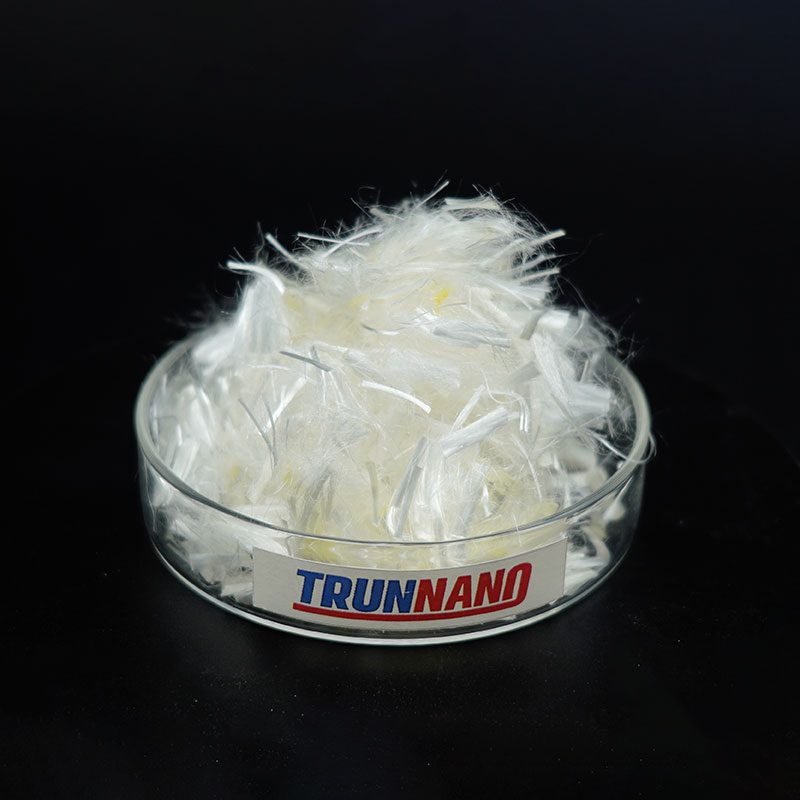
Aplicaciones ar fibra hormigón
nguu ne nju̲ts: Utilizado jar losas, pavimentos, cubiertas puente, ne ya xe̲ni prefabricados pa aumentar ar durabilidad ne disminuir nja.
Carreteras ne autopistas: Mejora ar tenacidad ne disminuye ar nts'uni ya fracturas ne ya surcos.
Pisos industriales: Gives resistance to heavy tons and influence in storehouses and manufacturing facilities.
Repair: Ideal for overlays and repair services where rapid stamina gain and very little downtime are needed.
Residential Projects: Made use of driveways, patio areas, and walkways to stop fracturing and improve visual appeals.
Perfil ar empresa
ConcreteFashion is the global leader in Low-Density Cellular Concrete (LDCC), Celluar Light Concrete (CLC), and advanced engineered foam solutions. Conocido jar nxoge ximha̲i ir nge ár compromiso ko ár nthoni, innovación, ne ar experiencia aplicada, we have been providing engineered foam solutions since the early 2012's.
We can supply high-quality Concrete Fiber. Ar empresa pe̲ts'i 'nar nsa̲di primärya nt'o̲t'e xi hño ar tsa̲ ne nsa̲di primärya supervisión hño, 'nar laboratorio xi hño equipado, and equipped with advanced testing equipment and after-sales customer service center.Send us an email or click on the needed products to send an inquiry.
If you want to know more about Concrete Fiber, Jaki ar mäte, hingi dude ne ga japi ar jar contacto ko ngekagihe: [email protected]

Package of Concrete Fiber
25Kg woven outer bag lined with plastic bag, stored at room temperature away from light, moisture and rain.
Storage of Concrete Fiber
Paper plastic composite packaging lined with plastic bags.
FAQs of Concrete Fiber
Q: How do fibers improve concrete?
A: Fibers act as internal reinforcement, bridging micro-cracks and improving the overall mechanical properties of the concrete.
Q: Are concrete fibers costly?
A: The cost differs depending upon the sort of fiber and quantity required. Typically, while fibers might contribute to initial prices, they can decrease long-term expenditures via enhanced toughness and fewer repair work.
Q: Can concrete fibers change rebar?
A: While fibers boost several aspects of concrete performance, they typically do not completely change traditional rebar in important load-bearing frameworks. Nevertheless, they can often decrease the amount of rebar needed.
Q: Exist any kind of environmental interest in using concrete fibers?
A: The ecological impact depends on the type of fiber made use of. Synthetic fibers are stemmed from petrochemicals, whereas all-natural fibers are biodegradable but may have restricted performance. Sustainability factors to consider ought to direct the selection of fiber type.
Q: Just how do I mix concrete fibers?
A: Fibers are normally added directly to the concrete mixer at the specified dose rate. Proper mixing guarantees uniform distribution throughout the concrete. Maker guidelines should constantly be followed.