Soluzioni professionali sugli additivi per calcestruzzo, Agente schiumogeno per calcestruzzo, Superfluidificante, Additivi per blocchi CLC, e macchina schiumogena



PARAMETRI DEL PRODOTTO
Descrizione
Overview of Concrete Reinforcement/Cellulose Fiber Road Construction House Insulation
Concrete Reinforcement/Cellulose Fiber Road Construction House Insulation is chemical compounds added to concrete mixtures to improve various properties of the material, come la lavorabilità, forza, durabilità, e tempo di stagionatura. Questi additivi includono plastificanti, ritardanti, acceleratori, agenti impermeabilizzanti, e agenti aeranti, ciascuno progettato per soddisfare esigenze specifiche nella produzione di calcestruzzo. Gli additivi per calcestruzzo sono comunemente usati sia nell'edilizia commerciale che residenziale, nonché nella produzione di calcestruzzo prefabbricato e preconfezionato. Migliorando le prestazioni e la qualità del calcestruzzo, questi additivi aiutano a migliorare l'efficienza complessiva dei progetti di costruzione garantendo al tempo stesso la durabilità e la longevità della struttura finita. Sono facili da incorporare nella miscela e forniscono soluzioni economicamente vantaggiose per ottimizzare le proprietà del calcestruzzo in un'ampia gamma di applicazioni.
Characteristics of Concrete Reinforcement/Cellulose Fiber Road Construction House Insulation
Forza migliorata: Gli additivi per calcestruzzo possono aumentare significativamente la resistenza alla compressione del calcestruzzo, rendendolo più resistente alla pressione e allo stress. Ciò garantisce la longevità e la durabilità delle strutture, riducendo la probabilità di rotture o guasti.
Lavorabilità migliorata: Additivi come plastificanti e superfluidificanti migliorano la scorrevolezza e la consistenza del calcestruzzo, rendendolo più facile da gestire, versare, e finire. Ciò aumenta la produttività in cantiere e riduce i costi di manodopera.
Indurimento più rapido: Acceleratori, un tipo di additivo per calcestruzzo, contribuire ad accelerare il processo di polimerizzazione, consentendo tempi di impostazione più rapidi e un completamento più rapido dei progetti. Ciò è particolarmente utile quando fa freddo o quando si accelerano i tempi di costruzione.
Maggiore durata: Molti additivi, come agenti riducenti l'acqua e composti impermeabilizzanti, aumentare la resistenza del calcestruzzo a condizioni ambientali difficili come i cicli di gelo-disgelo, ingresso di acqua, ed esposizione chimica, garantendo prestazioni a lungo termine.
Migliore adesione e legame: Alcuni additivi migliorano il legame tra il calcestruzzo e altri materiali, come l'acciaio d'armatura o gli aggregati, migliorando l’integrità strutturale complessiva e riducendo le possibilità di delaminazione o separazione.
Versatilità per varie applicazioni: Gli additivi per calcestruzzo sono altamente versatili e possono essere utilizzati in un'ampia gamma di applicazioni, dagli edifici residenziali ai progetti infrastrutturali su larga scala. Sono formulati per soddisfare esigenze specifiche come il calcestruzzo ad alta resistenza, calcestruzzo autocompattante, o calcestruzzo durevole per condizioni estreme.
Conveniente: Migliorando la qualità e le prestazioni del calcestruzzo, gli additivi riducono la necessità di ulteriori manutenzioni e riparazioni, portando a notevoli risparmi sui costi a lungo termine. Inoltre, aiutano a ottimizzare il mix design, riducendo gli sprechi di materiale.
Rispettoso dell'ambiente: Molti additivi per calcestruzzo moderni sono formulati con ingredienti ecologici, contribuire a pratiche di costruzione più sostenibili. Questi additivi aiutano a ridurre al minimo l’impronta di carbonio e a migliorare le prestazioni ambientali del calcestruzzo.
Finitura superficiale migliorata: Gli additivi come gli agenti aeranti possono migliorare la finitura e l'aspetto del calcestruzzo prevenendo difetti come le fessurazioni, a nido d'ape, o spolverare la superficie, garantendo un liscio, superficie di livello professionale.

Specification of Concrete Reinforcement/Cellulose Fiber Road Construction House Insulation
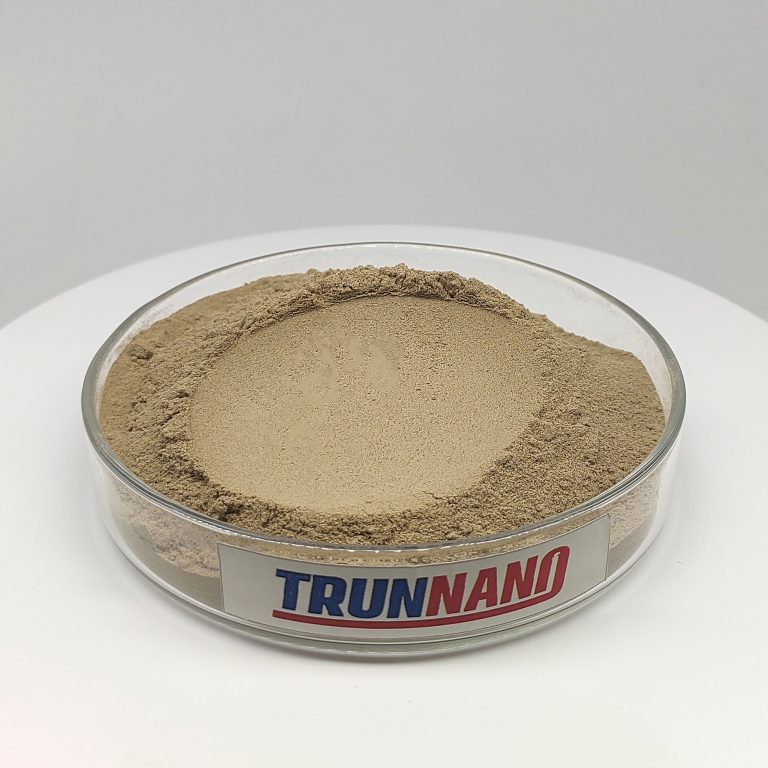
Cellulose fiber insulation is made from recycled paper. It works well for insulating homes and reinforcing concrete roadways. This material quits warm loss. It maintains structures cozy in wintertime and cool in summer. This conserves power. It decreases heating & cooling expenses.
This fiber is fire immune. It assists reduce fire spread. It takes care of moisture well. This stops mold and mildew and rot issues. The fibers fit tightly with each other. They block air leakages properly. This improves interior air high quality. It makes homes more comfy.
For roadways, cellulose fiber enhances concrete. It reduces cracking and shrinking. This makes roadways last longer. It suggests fewer repair work are required. Workers blend the fibers into damp concrete. They spread easily. The procedure is easy.
Home owners make use of cellulose fiber in wall surfaces and attics. It fills up gaps totally. It blocks drafts much better than a few other insulations. It is blown or sprayed right into location. This method covers hard-to-reach places. It develops a strong thermal obstacle.
This insulation is environment-friendly. It makes use of recycled paper. It calls for less power to make than foam insulation. It catches co2. This helps the setting. Builders like its efficiency. Property owners appreciate the cost savings.
Applications of Concrete Reinforcement/Cellulose Fiber Road Construction House Insulation
Cellulose fiber support enhances concrete performance. It makes concrete stronger. These fibers quit splits from creating as concrete dries and reduces. This is very important for huge pieces like floorings or driveways. Concrete with cellulose fiber deals with stress better. It withstands influences and surface wear. Making use of cellulose fiber suggests much less breaking later on. It conserves cash on repairs. Contractors like it for structures and walls as well.
Road building and construction benefits from cellulose fiber. Adding fibers to asphalt makes roadways last longer. It assists bind the asphalt mix together. This develops a tougher surface area. The roadway handles heavy traffic much better. It stands up to damages from weather, particularly freezing and thawing. Roadways strengthened with cellulose fiber need much less maintenance. They remain smoother for more years. This saves time and money for road staffs.
Home insulation uses cellulose fiber successfully. It’s made mostly from recycled paper. This fiber traps air pockets. Trapped air decreases warm motion. It keeps houses warm in winter season and cool in summer season. Cellulose insulation fills gaps well around pipelines and cords. It obstructs drafts successfully. This fiber does not sustain fire quickly. It additionally manages dampness, quiting mold and mildew troubles. Homeowners improve convenience and reduced power costs.
Profilo Aziendale
Siamo il leader globale nelle soluzioni di calcestruzzo leggero e schiuma ingegnerizzata avanzata. Conosciuta a livello mondiale per il suo impegno nella ricerca, innovazione, e competenza applicata, forniamo soluzioni in schiuma ingegnerizzata dall'inizio del 2012.
Siamo in grado di fornire additivi per calcestruzzo e prodotti correlati al calcestruzzo espanso di alta qualità in tutto il mondo.
L'azienda dispone di un dipartimento tecnico professionale e di un dipartimento di supervisione della qualità, un laboratorio ben attrezzato, e dotato di apparecchiature di collaudo avanzate e centro di assistenza clienti post-vendita.
Se sei interessato, non esitate a contattarci.
Pagamento
T/T, Unione occidentale, PayPal, Carta di credito ecc.
Spedizione
In aereo, via mare, per espresso, come richiedono i clienti.
5 FAQs of Concrete Reinforcement/Cellulose Fiber Road Construction House Insulation
Here are five common questions about using cellulose fiber for concrete reinforcement and house insulation.
What exactly is cellulose fiber? It’s a natural material made from recycled wood pulp. It’s processed into tiny fibers. These fibers mix easily into concrete or insulation applications. They’re eco-friendly because they come from renewable sources.
How does cellulose fiber help in concrete? Adding cellulose fibers to concrete mix makes it stronger. The fibers create a network inside the concrete. This network stops cracks from forming as easily. It makes roads and structures last longer.
Why use cellulose fiber for house insulation? Cellulose fiber is great for insulating walls and attics. It fills gaps and spaces completely. This stops cold air from getting in and warm air from leaking out. It keeps your home warmer and lowers heating bills.
Is cellulose fiber difficult to install? NO, it’s actually quite simple. For insulation, it’s often blown into place using special machines. This makes it fast to install. It fits tightly around pipes and wires. Handling is easy because it’s lightweight.
Is cellulose fiber good for the environment? SÌ, it’s a sustainable choice. It uses recycled paper products. This reduces landfill waste. The fibers themselves are biodegradable. Using cellulose fiber supports green building practices.