


ƙwararrun mafita akan abubuwan ƙari, Wakilin Kumfa Kankare, Superplasticizer, CLC Blocks Additives, da injin kumfa


Superplasticizer

China Factory High Performance High Density Water Reducer PCE Powder For Mortar Concrete Admixtures

low PCE concrete admixture polycarboxylic acid water reducer

concrete water reducing agent

Small Shrinkage High Efficiency Polycarboxylate Water Reducing Agent Additives For Key Projects Of Concrete
Concrete Superplasticizer Overview
A water reducer ne kankare admixture da zai iya rage adadin hadawa ruwa yayin da rike slump na kankare m canzawa.. Kankare cakuda yana da tarwatsa sakamako a kan siminti barbashi, wanda zai iya inganta aikin sa, rage yawan ruwan naúrar, inganta fluidity na kankare cakuda; ko rage yawan amfani da siminti da ajiye siminti.
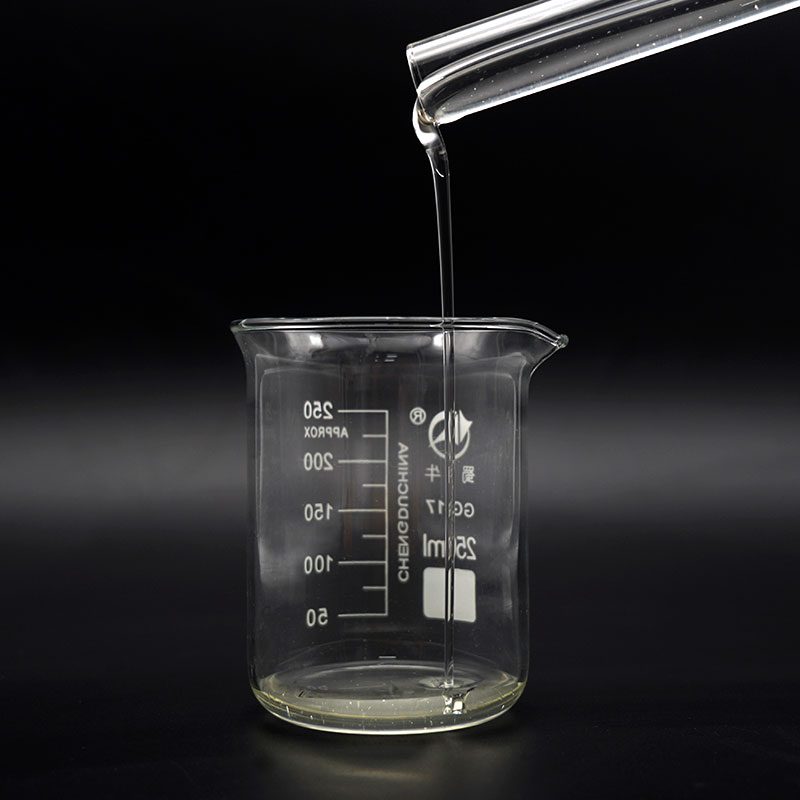


Nau'in masu rage ruwa
Dangane da aikin, ana iya raba shi zuwa na yau da kullun na rage ruwa, mai rage ruwa mai inganci, da babban aikin rage ruwa.
1) Mai rage ruwa na yau da kullun yana nufin haɗakarwa tare da rage raguwar ruwa wanda bai gaza ba 8% karkashin yanayin cewa slump na kankare ne m guda.
2) Babban mai rage ruwa mai inganci yana nufin hadawa tare da rage raguwar ruwa wanda bai gaza ba 14% karkashin yanayin cewa slump na kankare ne m guda.
3) Babban aikin rage ruwa yana nufin haɗakarwa tare da rage raguwar ruwa wanda bai gaza ba 25% karkashin yanayin cewa slump na kankare ne m guda. Idan aka kwatanta da masu rage ruwa masu inganci, yana da kyakkyawan aikin riƙewa na slump, kananan bushewa shrinkage da wani iska entrainment yi.
Saboda muhimmiyar gudunmawar mai rage ruwa mai inganci don gyaran kankare, its application has become the third breakthrough in the history of concrete development after reinforced concrete and prestressed concrete, which has enabled concrete to develop from the original manual pouring or hanging tank pouring to pumping construction, saving manpower, improving work efficiency, ensuring quality, eliminating noise, and making a great leap in the technical level and construction level of concrete.
Mechanism of action of water reducer
1) Dispersion
After the cement is mixed with water, the cement slurry forms a flocculation structure, kuma 10% ku 30% of the mixing water is wrapped in the cement particles and cannot participate in free flow and lubrication, thus affecting the fluidity of the concrete mixture. When the water reducer is added, za a iya tallata kwayoyin rage ruwa a saman sassan siminti ta yadda saman simintin ya ɗauki caji iri ɗaya. (yawanci caji mara kyau), kafa wani electrostatic repulsion sakamako, wanda hakan ya sanya siminti suka tarwatsa juna, tsarin flocculation don wargajewa, kuma a saki ɓangaren ruwa na nannade don shiga cikin magudanar ruwa, don haka ƙara yawan ruwa na cakuda kankare.
2) Tasirin shafawa
Ƙungiyar hydrophilic a cikin mai rage ruwa yana da iyakacin iyaka. Fim ɗin adsorption mai rage ruwa a saman simintin siminti zai iya samar da ingantaccen fim ɗin ruwa mai narkewa tare da kwayoyin ruwa.. This water film has a good lubricating effect and can effectively reduce the sliding resistance between cement particles so that the fluidity of concrete is further improved.
3) Steric hindrance
The hydrophilic side chains in the water reducer structure extend in the aqueous solution and form a hydrophilic three-dimensional adsorption layer of a certain thickness on the surface of the adsorbed cement particles. When the cement particles are close, the adsorption layers begin to overlap, that is, steric hindrance occurs between the cement particles. The more overlaps, the greater the steric repulsion and the greater the hindrance to the cohesion between cement particles so that the concrete maintains a good slump.
4) Slow-release effect of grafted copolymer side chains
During the preparation process of new water reducers, such as polycarboxylic acid water reducers, some side chains are grafted on the molecules of the water reducer. The side chains can not only provide a steric hindrance effect but also be slowly cut off in the high alkalinity environment of cement hydration, releasing polycarboxylic acid with a dispersing effect so as to improve the dispersion effect of cement particles and control the slump loss.

Why does concrete need to reduce water?
A key parameter of the concrete mix ratio is the water-cement ratio, that is, the ratio of water to cementitious material. The higher the water-cement ratio, the better the workability of fresh plastic concrete, the easier it is to construct, but the lower the strength of concrete. In order to solve this contradiction, a water reducer needs to be added to improve strength without sacrificing workability or to reduce cement dosage while maintaining workability and strength.
The essential function of a water reducer is to reduce the water consumption of concrete, and it is one of the indispensable raw materials for concrete materials. The strength of concrete is closely related to the water-cement ratio. At a certain slump, the smaller the water consumption, the higher the strength. Adding a water reducer can reduce water consumption while keeping the slump unchanged, thus improving the strength of concrete.
In the low strength grade range below C30, the use of a water reducer can reduce cement consumption, reduce costs, and improve the workability of plastic concrete.
In the medium strength grade range of C40 to C50, a water reducer is generally required to ensure the workability (pumping) and strength of concrete.
For the high strength grade range above C50, without the use of a high-efficiency or high-performance water reducer, the concrete has basically no workability and cast-in-place concrete is difficult to construct.
Pumped concrete should be mixed with a pumping agent or water reducer, and mineral admixtures should be added; a high-performance water reducer with a water reduction rate of not less than 25% should be used for high-strength concrete above C60; mineral admixtures and slow-setting water reducer should be added to large-volume concrete.
Bayanin Kamfanin
ConcreteFashion is the global leader in Low-Density Cellular Concrete (LDCC), Hannun Hannun Hannun Hannun Hannu (CLC), da ingantattun hanyoyin magance kumfa. An san shi a duniya don jajircewarsa ga bincike, bidi'a, da kuma amfani da gwaninta, muna samar da ingantattun hanyoyin magance kumfa tun farkon 2012's.
Za mu iya samar da high quality- superplasticizerkamarNaphthalene Superplasticizer, HPEG 2400 PolycarboxylateSmai rufi, Nau'in riƙe babban slump admixture polycarboxylate superplasticizer, Polycarboxylate Ether superplasticizerda sauran suKankare superplasticizer a duk faɗin duniya.
Kamfanin yana da sashen fasaha na ƙwararru da sashin kulawa mai inganci, dakin gwaje-gwaje masu inganci, kuma sanye take da kayan gwaji na ci gaba da cibiyar sabis na abokin ciniki bayan-tallace-tallace. Aika mana imel ko danna samfuran da ake buƙata don aika bincike.
Idan kuna son ƙarin sani game da Polycarboxylate Superplasticizer, don Allah a ji 'yanci kuma tuntube mu: [email protected]
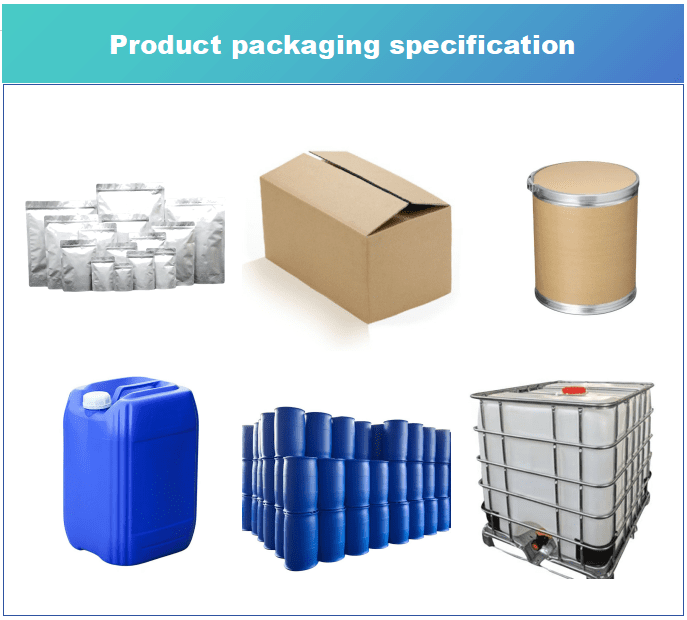
Kunshin Polycarboxylate Superplasticizer Foda
25Kg saƙa na waje jakar da aka saƙa da jakar filastik, adana a dakin zafin jiki nesa da haske, danshi da ruwan sama.
Ajiya na Polycarboxylate Superplasticizer Foda
Takardar hadaddiyar marufi mai laushi da jakunkunan filastik
FAQs na Concrete Superplasticizer
Q: Just how do superplasticizers function?
A: Superplasticizers work by dispersing concrete particles, minimizing inter-particle rubbing and allowing the mix to move more freely with less water.
Q: Can superplasticizers be utilized with all types of concrete?
A: The majority of superplasticizers are compatible with standard sorts of cement, but compatibility with details blends should be evaluated to make certain optimum efficiency.
Q: Are there any kind of disadvantages to utilizing superplasticizers?
A: While useful, superplasticizers can sometimes create problems such as enhanced blood loss if excessive used or postponed establishing times. Proper does and blending techniques are necessary.
Q: How do I store superplasticizers?
A: Store superplasticizers in a great, dry location, shielded from direct sunshine and cold temperatures. Follow manufacturer standards for best outcomes.
Q: What is the life span of a superplasticizer?
A: Life span differs depending on the kind and storage space conditions however normally ranges from 6 months to a year. Constantly examine the producer's referrals.