


Solutions professionnelles sur les additifs pour béton, Agent moussant pour béton, Superplastifiant, Additifs de blocs CLC, et machine à mousser


Agent de démoulage pour béton

Factory Whole Concrete Form Release Agent Calcium Stearate Release Agent in Powder Appearance

High Quality Calcium Stearate Release Agent Concrete Form Auxiliary Chemical for Stemp Concrete Release

High Concentrated Environmental Friendly Release Agent Solvent Based Mold Release Agent

Polycarboxylate Superplasticizer Concrete Slow-Release Water-Reducing Agent for Mother Liquor

Mold Release Agent for PU Polyurethane
Mold Release Agent for Copper Industry

Concrete Superplasticizer Used in Self-compacting Concrete, Concrete Slow-release Water Reducer with Low
Stamp Concrete Release Powder
Silicone-Based Rubber Mold Release Agent for Automotive Transportation Textile Auxiliary Lubricant Vulcanization Use
Food Grade Release Agent Baking Mold Release
Industrial Paste Film Release Agent Chemical Auxiliary Agent for Tire Vulcanization and Rubber Seal Production
Sustained-Released Type PCE Polycarboxylate Superplasticizer Water Reducing Admixture Agent
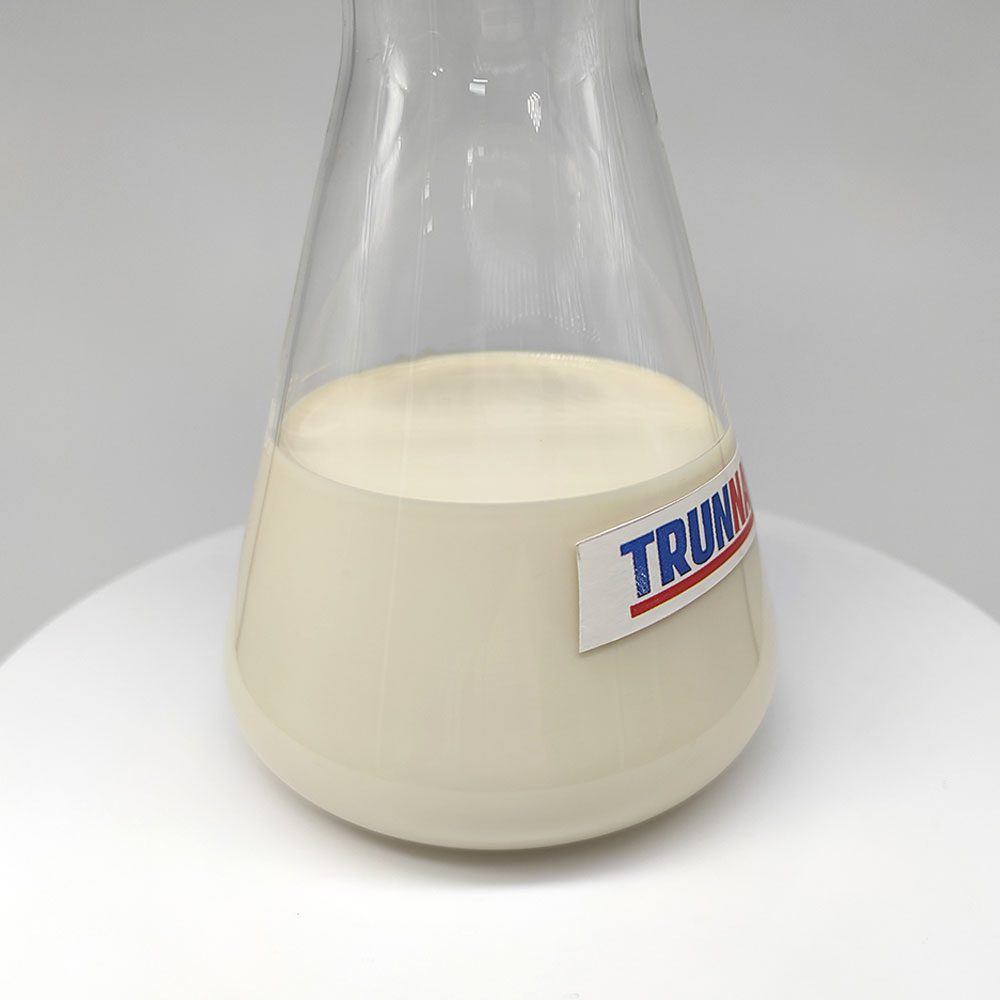
Overview of Concrete Release Agent
Concrete release agents are specialized coatings applied to formwork and molds used in concrete pouring to facilitate the smooth removal of the cured concrete without causing damage or leaving residue on the forms. They are essential for maintaining the integrity of both the concrete structure and the forms, ensuring a clean and efficient construction process.
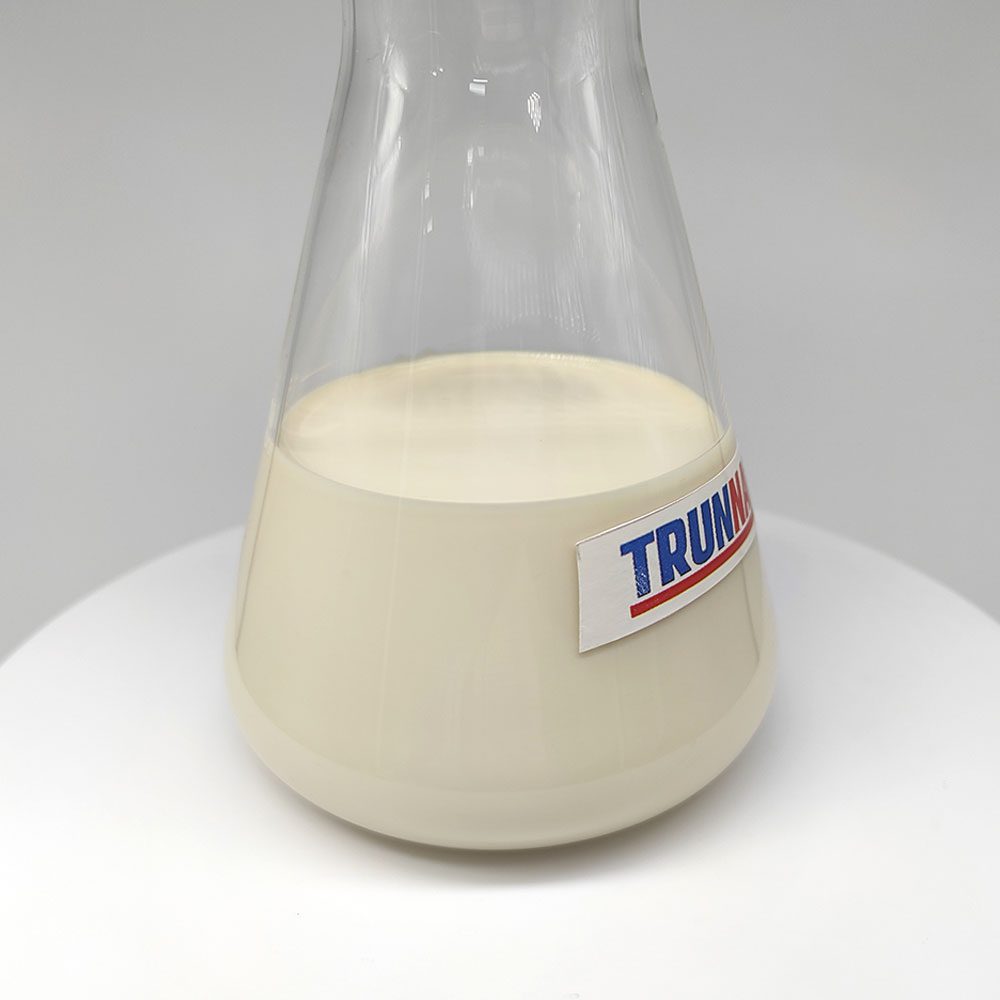


Features of Concrete Release Agent
Environmentally friendly: no volatile organic compounds (VOCs), reducing hazards to the environment and the health of construction workers.
Easy to clean up: easily rinsed off with water after use, leaving no hard-to-remove grease stains or residue.
Cost-effective: water-based products are often more economical and require less water than oil-based release agents.
Versatile: Suitable for use on many types of formwork materials, including wood, metal, plastic and fibreglass reinforced plastic (FRP).
Safety and reliability: non-flammable, reducing the risk of fire; low skin irritation, improving construction safety.
Applications of Concrete Release Agent
- Construction Industry: Commonly used in the casting of concrete structures like walls, pillars, et sols.
- Architectural Precast: Ideal for creating decorative precast elements, where a clean and detailed finish is crucial.
- Construction de ponts et d'autoroutes: Indispensable dans la formation de composants pour les ponts et les autoroutes afin de garantir des surfaces lisses et un retrait facile du coffrage..
- Projets spécialisés: Utilisé dans des projets concrets complexes ou artistiques où l'apparence et la texture du produit fini sont primordiales..
Profil de l'entreprise
ConcreteFashion is the global leader in Low-Density Cellular Concrete (PMMA), Béton Léger Cellulaire (CTC), et des solutions avancées de mousse technique. Connu mondialement pour son engagement en faveur de la recherche, innovation, et expertise appliquée, nous fournissons des solutions de mousse technique depuis le début des années 2012.
Nous pouvons fournir des produits de haute qualité agent de démoulage du béton. L'entreprise dispose d'un département technique professionnel et d'un département de supervision de la qualité, un laboratoire bien équipé, et équipé d'un équipement de test avancé et d'un centre de service client après-vente. Envoyez-nous un e-mail ou cliquez sur les produits nécessaires pour envoyer une demande.
Si vous voulez en savoir plus sur Agent de démoulage pour béton, n'hésitez pas et contactez-nous: [email protected]

Paquet d'agent de démoulage pour béton
20Kg/baril, 200kg/baril, conservé à température ambiante à l'abri de la lumière, l'humidité et la pluie.
FAQ sur l'agent de démoulage pour béton
Qu'est-ce qu'un bon agent de démoulage pour le béton?
Un bon agent de démoulage du béton doit former un film lubrifiant pour empêcher le béton de coller au coffrage sans compromettre la qualité ou la résistance du béton.. Les agents de démoulage courants sur le marché comprennent les liquides synthétisés chimiquement, émulsions ou poudres, ainsi que des produits naturels comme les cires et graisses. Consider environmental protection, ease of use and impact on subsequent processes when choosing. A high-quality release agent is not only easy to apply, but also ensures a smooth surface effect and simplifies the demolding process.
Can I use vegetable oil for demolding?
Vegetable oil can be used as a temporary release agent, especially for small DIY projects. Vegetable oil can form a protective layer on the surface of the formwork, reducing the possibility of concrete sticking. Cependant, vegetable oil may affect the curing time and final quality of concrete, resulting in oily residue or color changes on the surface. In addition, it is not the first choice for professional construction because its durability and reliability are not as good as dedicated release agents. It is recommended to decide whether it is suitable for large-scale projects after testing a small area.
How to prevent concrete from sticking to the formwork?
To avoid concrete sticking to the formwork, the formwork surface should be cleaned and dried before pouring to remove rust, dust and other impurities. Then apply an even layer of high-quality release agent. Make sure the release agent completely covers all contact surfaces, but do not apply too much to avoid spillage and contamination of the concrete. For complex shapes or forms that are exposed to the air for a long time, apply multiple thin coats. The correct selection and application of the release agent is key.
What can I use as a binder for concrete?
Common binders for concrete include cement paste, polymer-modified cement-based binders, etc. These materials can enhance the bond between new and old concrete and are particularly suitable for repair work or layered pouring. Polymer-modified binders are popular for their excellent bonding properties and durability. When using, mix according to the manufacturer's instructions, usually adding water and stirring to the appropriate consistency. Concrete laying should be carried out immediately after applying the binder to ensure the best results.