


Mga propesyonal na solusyon sa mga kongkretong addtive, Ahente ng Concrete Foaming, Superplasticizer, CLC Blocks Additives, at foaming machine


Concrete Fiber

steel fiber for concrete fibre reinforcement

High Strength Glass Fiber Glass fiber short cut concrete fiber made in

High modulus 12k UD concrete reinforcement carbon fiber cloth

Supply Polypropylene Reticular Fiber for fiber reinforced concrete for engineering purposes

Factory the crack resistance Polypropylene Fiber Concrete HPMC HEC CMC PVA

mataas na kalidad na malambot na Polypropylene PP Micro fiber Synthetic Polyester Staple Fiber para sa Concrete

High Strength Fiberglass Chopped Strand Para sa Reinforced Compounds Fiber Concrete 3mm 10mm 25mm

Micro Steel Fiber Reinforced Concrete Straight Copper Metal Building Materials Estate Concrete Premium Quality Trusted
Whole PP Fiber Cement Polypropylene Reinforcing Fiber Concrete Additive Polypropylene Fiber

8mm High Temperature Polyester Polymer Synthetic Fiber Polypropylene Fiber for Concrete Building Materials

Macro Pp Synthetic Fibers Making Fiber Extruder Machine/Concrete Fibres Production Line
0.3x13mm pom reinforced concrete pom steel fiber for uhpc
Overview of concrete fiber
Fiber used in construction projects is a thin and long material with an aspect ratio of generally more than 100, and has a certain tensile strength (also called breaking strength), elastic modulus (also called initial modulus) and ultimate elongation (also called breaking elongation). The fibers used in construction projects mainly refer to short-segment discontinuous fiber materials that can be evenly distributed in concrete and can strengthen the concrete structure.
According to the different fiber materials used, they can be divided into: natural fibers or artificial fibers; organic fibers or inorganic fibers, atbp. Specifically, they can be divided into natural organic fibers (various hemp fibers, wood pulp fibers, coconut shell fibers (collectively referred to as cellulose fibers) and animal bristles, atbp.); natural inorganic fibers (asbestos fibers, needle-shaped wollastonite, atbp.), artificial organic fibers (also called synthetic fibers: polypropylene fibers, polyacrylonitrile fibers, polyvinyl alcohol fibers, mga hibla ng polyester, mga hibla ng polyamide, ultra-high molecular weight polyethylene fibers, atbp.), at mga artipisyal na inorganic fibers (mga hibla ng metal, mga hibla ng salamin, basalt fibers, mga hibla ng mineral na lana, at mga hibla ng carbon, atbp.). Ayon sa iba't ibang elastic modulus ng fiber na ginamit, iyon ay, kung ang elastic modulus ng fiber ay mas mataas o mas mababa kaysa sa elastic modulus ng matrix na pinaghalo nito, maaari itong nahahati sa mataas na elastic modulus fiber at mababang elastic modulus fiber; ayon sa iba't ibang mga materyales ng matrix na pinaghalo nito, maaari itong hatiin sa: hibla para sa semento kongkreto, hibla para sa mortar (idikit ng semento), hibla para sa aspalto kongkreto, atbp.
Ang hibla na kongkreto ay maaaring ituring bilang isang kongkreto na pinagsama sa isang tiyak na halaga ng maikli, pantay na nakakalat, at mga di-tuloy na mga hibla na idinagdag sa ordinaryong kongkreto. The combination of fiber and concrete matrix improves the inherent weaknesses of concrete and has a multi-faceted impact on the performance of concrete. The improvement of the crack resistance and durability of fiber concrete is of great significance to the construction of high-quality, beautiful and durable projects.


The role of fiber in concrete
Including fiber to concrete can increase the strength and split resistance of the material, and at the same time has a specific impact on the strength and rigidity of concrete
Boost the tensile toughness of concrete
The stamina of concrete generally comes from the cement and accumulation in the mixture. The tensile strength of concrete is extremely reduced. Adding a proper amount of fiber can make concrete have better tensile toughness, kaya pinapalakas ang kabuuang lakas ng kongkretong istraktura.
Pagandahin ang tibay ng kongkreto
Ang hibla sa kongkreto ay maaaring mapahusay ang tirahan o komersyal na mga katangian ng microcracks sa kongkreto, bawasan ang pagtagas ng tubig sa istraktura at pagkamatagusin ng hangin sa kongkreto, palakasin ang frost resistance at tibay ng kongkreto, at sa gayon ay pahabain ang buhay ng serbisyo ng kongkreto.
Palakasin ang pagganap ng impluwensya ng kongkreto.
Pagkatapos magdagdag ng hibla, ang kakayahan sa pagsipsip ng enerhiya ng kongkreto ay maaaring mapahusay, samakatuwid ay pinapabuti ang pagganap ng impluwensya ng kongkreto at pinapaliit ang antas ng pagbabawas ng tibay.
Mga uri ng mga hibla
Bakal na hibla
Ang metal fiber ay isang karaniwang hibla na iniambag sa kongkreto, tulad ng bakal na hibla, aluminyo haluang metal hibla, at iba pa. Mayroon silang mataas na katigasan at malaking kalagkitan. Pagkatapos idagdag ang mga ito sa kongkreto, maaari nilang mapahusay ang seismic resistance at crack resistance ng kongkreto, ngunit ang bakal na hibla ay madaling kalawang.
Sintetikong hibla
Ang mga produktong artipisyal na hibla ay may mahusay na paglaban sa pagkasira at paglaban sa alkali, higit sa lahat polypropylene fiber at nylon fiber, at iba pa. Ang pagdaragdag ng mga hibla na ito ay maaaring mahusay na mapahusay ang paglaban sa bali at baluktot at makunat na pagtutol ng kongkreto, kaya pagpapabuti ng pangkalahatang pagganap ng kongkreto.
Glass fiber
Ang glass fiber ay mura at may kasamang malalaking halaga. Ginamit ito ng mas malaki kaysa sa bakal na kable. Maaari nitong palakasin ang fracture resistance at impermeability ng kongkreto at humahamon sa kaagnasan.
Ang resulta ng hibla sa kongkretong tigas
Ang epekto ng hibla sa kongkretong tibay sa pangkalahatan ay binubuo ng mga sumusunod na aspeto:
Uri at laki ng hibla
Fibers of different types and sizes have various impacts on the stamina of concrete. Generally speaking, the longer the fiber length, the greater the result on the stamina of concrete.
Fiber enhancement
The quantity of fiber included likewise has a wonderful impact on the strength of concrete. Inadequate will certainly have virtually no result, while too much might cause the strength of concrete to lower.
Fiber circulation
Irregular circulation of fibers might trigger the strength of concrete to reduce, so when adding fibers, it is needed to pay attention to the full mixing of concrete and fibers.
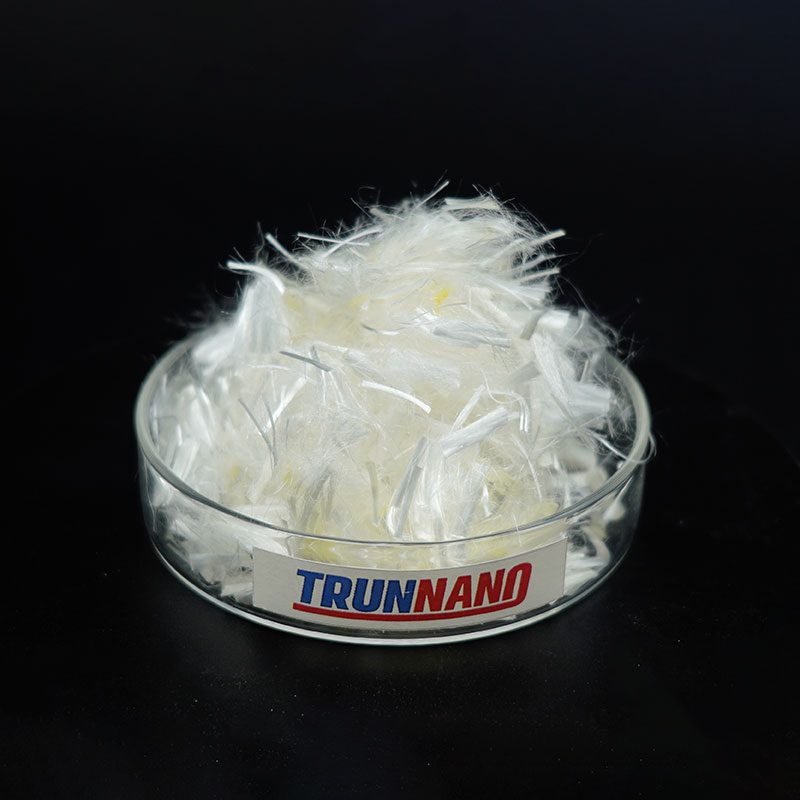
Applications of Concrete Fiber
Building and construction: Used in slabs, mga simento, bridge decks, and precast elements to raise durability and decrease upkeep.
Roadways and Freeways: Improves toughness and decreases the threat of fractures and rutting.
Industrial Floors: Gives resistance to heavy tons and influence in storehouses and manufacturing facilities.
Repair: Ideal for overlays and repair services where rapid stamina gain and very little downtime are needed.
Residential Projects: Made use of driveways, patio areas, and walkways to stop fracturing and improve visual appeals.
Profile ng Kumpanya
ConcreteFashion is the global leader in Low-Density Cellular Concrete (LDCC), Cellluar Light Concrete (CLC), at mga advanced na engineered foam solution. Kilala sa buong mundo para sa kanyang pangako sa pananaliksik, pagbabago, at inilapat na kadalubhasaan, nagbibigay kami ng mga engineered foam solution mula noong unang bahagi ng 2012.
Maaari kaming magbigay ng mataas na kalidad Concrete Fiber. Ang kumpanya ay may isang propesyonal na departamentong teknikal at departamento ng pangangasiwa ng kalidad, isang mahusay na kagamitang laboratoryo, at nilagyan ng mga advanced na kagamitan sa pagsubok at after-sales customer service center. Magpadala sa amin ng isang email o mag-click sa mga kinakailangang produkto upang magpadala ng isang pagtatanong.
Kung gusto mong malaman ang higit pa tungkol sa Concrete Fiber, mangyaring huwag mag-atubiling at makipag-ugnayan sa amin: [email protected]
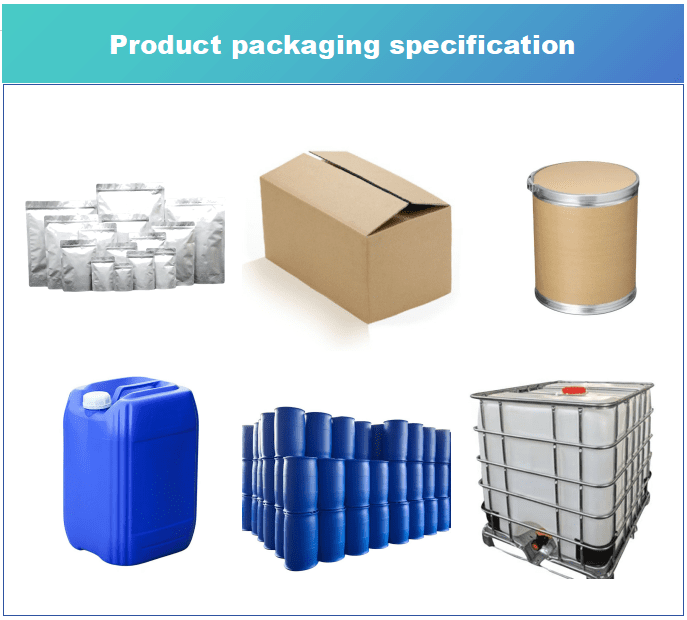
Package of Concrete Fiber
25Kg habi na panlabas na bag na nilagyan ng plastic bag, nakaimbak sa temperatura ng silid na malayo sa liwanag, kahalumigmigan at ulan.
Storage of Concrete Fiber
Papel na plastic composite packaging na nilagyan ng mga plastic bag.
FAQs of Concrete Fiber
Q: How do fibers improve concrete?
A: Fibers act as internal reinforcement, bridging micro-cracks and improving the overall mechanical properties of the concrete.
Q: Are concrete fibers costly?
A: The cost differs depending upon the sort of fiber and quantity required. Typically, while fibers might contribute to initial prices, they can decrease long-term expenditures via enhanced toughness and fewer repair work.
Q: Maaari bang baguhin ng mga kongkretong hibla ang rebar?
A: While fibers boost several aspects of concrete performance, they typically do not completely change traditional rebar in important load-bearing frameworks. Gayunpaman, they can often decrease the amount of rebar needed.
Q: Exist any kind of environmental interest in using concrete fibers?
A: The ecological impact depends on the type of fiber made use of. Synthetic fibers are stemmed from petrochemicals, whereas all-natural fibers are biodegradable but may have restricted performance. Sustainability factors to consider ought to direct the selection of fiber type.
Q: Just how do I mix concrete fibers?
A: Ang mga hibla ay karaniwang direktang idinaragdag sa kongkretong panghalo sa tinukoy na rate ng dosis. Ang wastong paghahalo ay ginagarantiyahan ang pantay na pamamahagi sa buong kongkreto. Dapat palaging sundin ang mga alituntunin ng gumagawa.