


راه حل های حرفه ای در مورد افزودنی های بتن, کف کننده بتن, فوق روان کننده, مواد افزودنی بلوک های CLC, و دستگاه کف ساز


Introduction: را 600% Density Variation Nightmare
A recent study on 50 construction sites found that تمام 60% of foamed concrete batches had a density variation exceeding 25% from the target. That is not a minor defect. That is structural failure waiting to happen. The root cause? کف سازی بتن عامل abuse. Most operators treat it like dish soap. They are wrong. I am going to show you the exact steps to fix this.
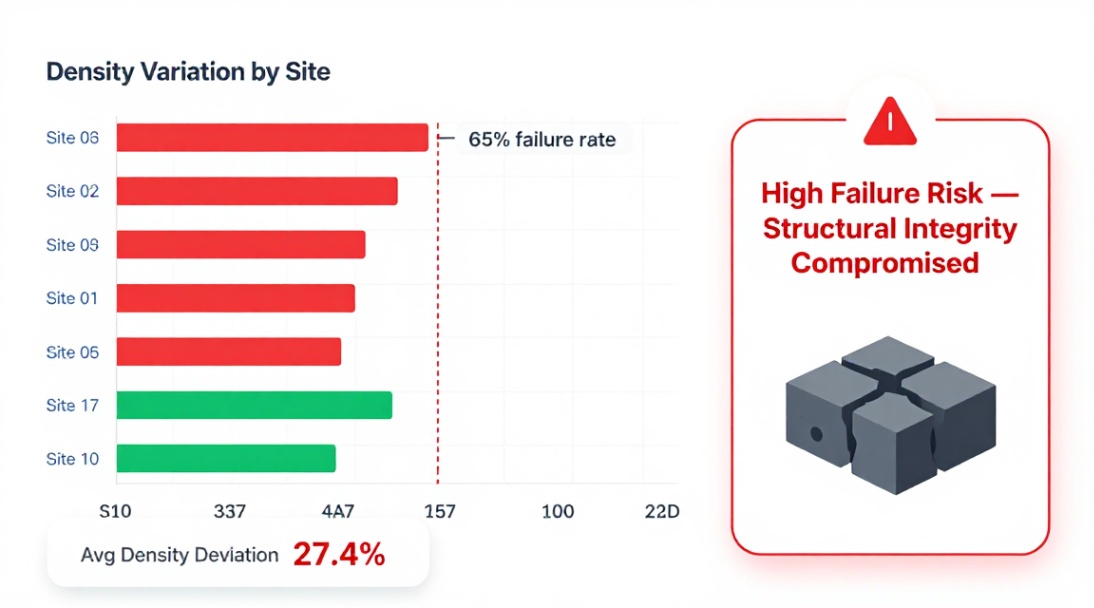
This is not theory. This is field experience from 20+ years of making lightweight بتن that does not crack, collapse, or sink. Follow these 7 مراحل, and your density variation drops below 5%.
1. Understand the Two Enemy Types: پروتئین در مقابل. Synthetic
Your بتن عامل کف کننده is either بر پایه پروتئین یا مصنوعی. Many users on Reddit ask: “Which is better?” The answer depends on your density target.
- عوامل مبتنی بر پروتئین: Made from hydrolyzed animal proteins. They produce very stable, حباب های کوچک. Best for low-density concrete (300-800 کیلوگرم بر متر مکعب). They resist collapse during pumping. But they smell. Bad. And they degrade in hot weather.
- عوامل مصنوعی: Based on surfactants (like sodium lauryl sulfate). They form larger, less stable bubbles. با این حال, they are cheap, بی بو, and work perfectly for medium-density concrete (800-1400 کیلوگرم بر متر مکعب).
- Hybrid agents exist. They try to combine stability and cost. In my experience, they are a compromise. Use them only when you cannot control your mixing temperature.
Your move: If you need تراکم زیر 600 کیلوگرم بر متر مکعب, از پروتئین استفاده کنید. If above 800 کیلوگرم بر متر مکعب, use synthetic. Do not mix them.
2. Match Dosage to Density Target (No Guessing)
Dosage is not a feeling. It is math. Your کف کردن بتن عامل dosage controls the air volume. Here is the exact range you need:
- Ultra-light concrete (300-500 کیلوگرم بر متر مکعب): استفاده کنید 1.5% به 2.5% foaming agent by weight of cement. This is high. Expect foam expansion ratio of 15:1 به 20:1.
- Medium-light concrete (600-1000 کیلوگرم بر متر مکعب): استفاده کنید 0.8% به 1.2% foaming agent by weight of cement. Expansion ratio drops to 8:1 به 12:1.
- Structural lightweight concrete (1200-1600 کیلوگرم بر متر مکعب): استفاده کنید 0.3% به 0.6% عامل کف کننده. You are barely foaming. This is for fill applications where some strength is needed.
Critical note: If you use فوق روان کننده یا کاهنده آب بتن, reduce your foaming agent dose by 15%. These chemicals thin the paste and make foam collapse easier.
3. Prepare Your Base Mix: Cement + Water + Additives
Foaming agent does not work in a vacuum. Your base mix must be engineered. Here is the exact formula that fails least often:
- Cement: Use Portland cement (type I or II). Special cement like rapid-hardening or sulfate-resistant changes foam stability. Test first. Never use cement with high alkali content (above 1%). It kills foam.
- Water-cement ratio: Keep it between 0.45 و 0.55. Below 0.45, the mix is too stiff. Above 0.55, bubbles coalesce and collapse. Measure precisely.
- Additives for stability: Add 0.3% هیدروکسی پروپیل متیل سلولز (HPMC) یا هیدروکسی اتیل سلولز (HEC) به وزن سیمان. These thicken the water phase and trap bubbles. Do not skip this.
- فیبر: Add 0.1% فیبر (پلی پروپیلن یا شیشه). This prevents shrinkage cracks. It does not affect foam directly, but it saves your final product.
Shock warning: Most articles tell you to mix foam last. They are wrong. Mix the base slurry for 3 minutes first. Then add the pre-formed foam.
4. Generate Foam Like a Professional
شما نیاز به یک تولید کننده فوم. خیر, a whisk will not work. خیر, shaking a bottle will not work. Your عامل کف کننده بتن must be diluted first.
- Dilution ratio: مخلوط کنید 1 part foaming agent with 20 به 40 parts clean water (بر حسب حجم). Use warm water (30-40درجه سانتی گراد) for synthetic agents. Cold water is fine for protein.
- Air pressure: Set your تولید کننده فوم به 4 به 6 نوار. Too low, and bubbles are large and unstable. Too high, and you shear the foam, making it watery.
- Expansion ratio test: Collect the foam in a 1-liter container. وزنش کن. A good foam should weigh 80 به 120 grams per liter. If it weighs more than 130 g/L, it is too wet. Increase air pressure.
- Half-life test: Fill a 500 ml graduated cylinder. Measure how long it takes for 250 ml of liquid to drain from the foam. Minimum half-life: 30 دقیقه. هدف: 60 دقیقه. If your foam drains faster, your agent is bad or your dilution is wrong.
5. Mix Foam Into Slurry: The Critical 90-Second Rule
This is where 80% of projects fail. They mix too long or too fast. Here is the rule:
- Mixing speed: Use a slow-speed paddle mixer (80-120 RPM). No high-speed shear mixers. They pop bubbles.
- Mixing time: Exactly 90 ثانیه. Not 60. Not 120. 90 seconds gives you even distribution without destroying the foam.
- Sequence: Add foam to the slurry, not slurry to the foam. Turn the mixer on. Stop at 90 ثانیه.
- Visual check: The mix should look like a thick milkshake. If you see large bubbles popping on the surface, your mixing speed is too high.
Data point: الف 2023 study showed that mixes mixed for 120 seconds had 18% lower compressive strength than those mixed for 90 ثانیه. Every second matters.
6. بازیگران, Cure, and the Density Verification Trap
Now you pour. But do not trust your eyes. Measure.

- Pouring: Pour gently. Do not drop from height. Use a hose or chute. Free fall above 1 meter collapses 15-25% of your foam.
- Density measurement: Take a 1-liter sample from the middle of your batch. وزنش کن. Compare to target. If it is off by more than 5%, adjust foam dosage for the next batch. Do not adjust the current batch with water. It is too late.
- درمان: Cover with plastic. Do not let water evaporate for the first 24 ساعت. فوم بتن loses water fast. Without proper curing, you get surface crusting and internal cracks.
Common question from Reddit: “My foamed concrete sank overnight. چرا?” Answer: You used too much کف زدا بتن in your mold release, or your curing temperature was above 40°C. Heat destroys bubbles.
7. عیب یابی: The Top 3 Disasters and Their Cures
Even experts have problems. Here is how to fix them fast:
- Foam collapse during pumping: Your foam is not stable enough. Switch to a protein-based agent. Or add 0.2% سیلیکات سدیم to your water. It acts as a foam stabilizer.
- Segregation (cement sinking, foam rising): Your water-cement ratio is too high. Drop it to 0.45. Or add 0.1% nano-modifier (like nano-silica). It thickens the paste.
- Density variation across the pour: Your mixing is not uniform. Increase mixing time to 100 ثانیه. Or use a عامل رهاسازی بتن that is non-reactive with foam.
When to quit: If your expansion ratio drops below 6:1 and you cannot fix it by changing dosage, your water contains too many chemicals (high chlorides or sulfates). Use distilled water for dilution.
Comparison: Foamed Concrete vs. AAC vs. سنگدانه های سبک
You have options. Here is the blunt truth:
| Method | Density Range | مقاومت فشاری | هزینه در هر متر مکعب | Best Use |
|---|---|---|---|---|
| فوم بتن | 300-1600 کیلوگرم بر متر مکعب | 0.5-10 MPa | کم (in-situ) | Void fill, insulation, trench backfill |
| AAC (Autoclaved) | 400-900 کیلوگرم بر متر مکعب | 2-7 MPa | بالا (factory) | بلوک های پیش ساخته, structural walls |
| سنگدانه های سبک | 800-1800 کیلوگرم بر متر مکعب | 5-20 MPa | متوسط | Structural slabs, bridges |
My take: Use foamed concrete for void filling and thermal insulation. It is cheaper and faster. For structural work, use AAC or lightweight aggregates. Do not try to make foamed concrete with aggregate. It defeats the purpose.
Testing Your Concrete Foaming Agent: The 10-Minute QC Protocol
Do not trust the supplier’s datasheet. Test every batch of عامل کف کننده بتن.
- Foam density test: Weigh a 1-liter cup of foam. Acceptable range: 80-120 g/L.
- Bleeding rate test: Put foam in a funnel. Measure liquid collected after 30 دقیقه. Bleeding should be below 20%.
- Compressive strength test (28 روز): Cast a 100 mm cube of your foamed concrete. Target minimum: 2 MPa for insulation, 5 MPa for filling.
هشدار: If your bleeding rate is above 30%, شما عامل کف کننده بتن is failing. Replace it.
Environmental & Safety: The Non-Negotiables
Some عوامل کف کننده بتن contain formaldehyde or phenol. Do not use them indoors without ventilation.
- Biodegradable agents: Look for plant-based surfactants. They break down in 28 روز. Protein-based agents are also biodegradable but smell during decomposition.
- VOC regulations: In the EU and California, VOC limits are below 50 g/L. Check your safety data sheet. If the agent lists no VOC data, assume it is high and avoid residential interiors.
- Skin contact: Synthetic agents are alkaline. Wear gloves. Protein agents are harmless but smell like wet dog. Deal with it.
Final Word: Stop Wasting Material, Start Testing
You now have 7 مراحل. You know the dosages. You know the mixing time. You know the half-life target. There is no excuse for density variation above 5%.
Your next move: Take this guide to your job site. Run the foam density test from Step 4. If your foam weighs more than 120 g/L, adjust your foam generator pressure. Do this before you mix a single cubic meter of concrete.
I do not work for any chemical supplier. I do not sell عامل کف کننده بتن. I only care about one thing: you getting a consistent, lightweight concrete that does not fail. Now go test your foam.
تامین کننده
ما پیشرو جهانی در بتن سبک و فوم های مهندسی پیشرفته هستیم. در سطح جهانی به دلیل تعهد خود به تحقیق شناخته شده است, نوآوری, و تخصص کاربردی, ما از اوایل سال 2012 راه حل های فوم مهندسی شده را ارائه کرده ایم.
ما می توانیم مواد افزودنی بتن با کیفیت بالا و محصولات مرتبط با بتن فوم را در سراسر جهان عرضه کنیم.
این شرکت دارای بخش فنی حرفه ای و بخش نظارت بر کیفیت است, یک آزمایشگاه مجهز, و مجهز به تجهیزات تست پیشرفته و مرکز خدمات پس از فروش مشتریان.
اگر علاقه مند هستید, لطفا احساس راحتی کنید و با ما تماس بگیرید.