


Profesiaj solvoj pri konkretaj aldonaĵoj, Konkreta Ŝaŭma Agento, Superplastikigilo, CLC-Blokaj Aldonaĵoj, kaj ŝaŭmanta maŝino


1. Introduction
In modern construction, achieving high-performance betono requires more than just cement, akvo, and aggregates. Enter admixtures—engineered chemical or mineral additives that significantly improve the properties of fresh and hardened concrete. From enhancing flowability to enabling fast curing or long-term waterproofing, admixtures are indispensable tools for engineers, contractors, and architects.
Whether you’re pouring a foundation, crafting decorative stamped surfaces, or building resilient infrastructure, understanding the right admixture used in concrete can make all the difference. This article explores the diverse world of concrete admixtures, their functions, and how they shape today’s built environment.
2. What Are Admixtures?
Admixtures are materials added to concrete before or during mixing to modify its characteristics. Also referred to as concrete additives or concrete chemicals, they fall into two broad categories: chemical admixtures and mineral admixtures.
Chemical admixtures include liquid or powder formulations like superplasticizers, akceliloj, kaj aero-enirantaj agentoj. Mineral admixtures, such as fly ash or silica fume, are finely ground materials that react with cement to improve long-term performance.
The use of admixtures allows precise control over betono behavior—whether it’s extending workability on a hot day, reducing water content without sacrificing strength, or protecting structures from freeze-thaw damage.
3. Common Types of Concrete Admixtures
Concrete admixture types serve distinct purposes. Below are the most widely used categories:
3.1 Water-Reducing Admixtures
Water reducing admixtures, including mid-range and high-range varieties, decrease the water needed in a mix while maintaining workability. This results in higher strength and lower permeability.
Superplasticizers—also called super plasticizers or high-range water reducers—are among the most effective. Polycarboxylate ether (PCE)-based superplasticizers offer superior slump retention and are ideal for self-consolidating concrete. Naphthalene and melamine-based variants remain common but are gradually being replaced by PCE technology due to environmental and performance advantages.
- Superplasticizer in concrete improves flow without segregation
- Reduces water-cement ratio, boosting compressive strength
- Enables production of high-performance and ultra-high-performance concrete
3.2 Accelerating and Retarding Admixtures
Concrete accelerator admixtures shorten setting time and enhance early strength—critical for cold-weather concreting or fast-track projects. Calcium chloride is a traditional accelerator, though non-chloride alternatives are preferred for reinforced structures to avoid corrosion.
Conversely, concrete retarder admixtures delay hydration, useful in hot climates or for large pours where extended workability is needed. Surface retarder concrete products are also used in exposed-aggregate finishes.
Fast curing concrete additives combine acceleration with reduced curing times, improving project timelines without compromising quality.
3.3 Air-Entraining Admixtures

Air entraining concrete contains microscopic air bubbles introduced by air entraining admixtures (or air entraining agents). These bubbles improve resistance to freeze-thaw cycles and increase durability in harsh environments.
Commonly used in pavements, pontoj, and marine structures, air entraining cement formulations enhance resilience without significantly affecting strength.
3.4 Waterproofing Admixtures
Waterproofing admixture for concrete includes integral waterproofers, crystalline systems, and cement waterproofing additives. These penetrate the matrix to block capillary pores, preventing water ingress.
Crystalline waterproofing admixture reacts with moisture and unhydrated cement to form insoluble crystals that seal cracks autonomously. This makes it ideal for basements, tuneloj, and water-retaining structures.
Products like concrete waterproof admix or admixture waterproofing offer long-term protection without surface membranes.
4. Specialty Admixtures and Modern Innovations
Beyond traditional categories, advanced admixtures address niche needs:
4.1 Fiber Reinforcement
Fibers for concrete—such as polypropylene fibres, steel fibers, or even coconut fiber—provide crack control and impact resistance. Fiber reinforced concrete enhances toughness and reduces reliance on rebar in slabs and overlays.
Macro fibers and microfibers serve different roles: macro fibers improve post-crack load-bearing capacity, while microfibers minimize plastic shrinkage cracks. Applications range from industrial floors to architectural panels like fibercement siding.
Concrete fiber siding, including brands like Hardie and CertainTeed, mimics wood grain while offering fire and pest resistance. Concrete siding cost varies, but its longevity often offsets initial investment.
4.2 Foaming Agents for Lightweight Concrete
Concrete foaming agents create cellular or foam concrete by introducing stable air bubbles. Used in CLC (cellular lightweight concrete) blocks and insulation fills, these agents—protein-based or synthetic—reduce density while maintaining structural integrity.
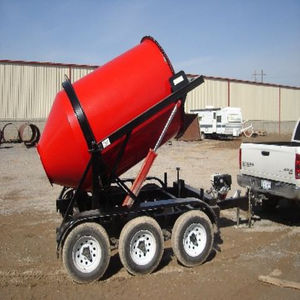
Foam agent for lightweight concrete is essential in green building, offering thermal efficiency and ease of handling. Equipment like concrete foaming machines ensures consistent bubble distribution.
4.3 Color and Release Agents

Colored concrete relies on pigments and release agents for decorative stamped finishes. Powder concrete colorants and spray release agents prevent stamp adhesion while adding accent hues like charcoal, terra cotta, or grey stamped concrete tones.
Concrete form release agents—oil-based or water-based—ensure clean demolding without surface defects, crucial for precast elements.
5. Selecting the Best Admixture for Concrete
Choosing the right admixture depends on environmental conditions, structural requirements, and desired aesthetics. Ekzemple, polycarboxylate superplasticizer is preferred for high-strength mixes, while an integral waterproofer suits below-grade applications.
Brands like Chryso offer tailored solutions, and products are available at suppliers including Home Depot. Always consult technical data sheets and consider compatibility with other concrete chemicals.
6. Conclusion
Admixtures have revolutionized concrete technology, enabling stronger, more durable, and versatile structures. From superplasticizer admixtures that enable fluid yet robust mixes to fiber reinforcement that enhances toughness, these additives are central to modern construction excellence.
Understanding admixture types—whether you need a concrete water reducer, air entraining agent, or crystalline waterproofing admixture—empowers professionals to optimize performance, sustainability, and cost-efficiency in every pour.
Our Website founded on October 17, 2012, is a high-tech enterprise committed to the research and development, production, processing, sales and technical services of ceramic relative materials such as What. Our products includes but not limited to Boron Carbide Ceramic Products, Boron Nitride Ceramic Products, Silicon Carbide Ceramic Products, Silicon Nitride Ceramic Products, Zirconium Dioxide Ceramic Products, ktp. Se vi interesiĝas, bonvolu bonvolu kontakti nin.