Professional solutions on concrete addtives, Concrete Foaming Agent, Superplasticizer, CLC Blocks Additives, and foaming machine



PRODUCT PARAMETERS
Description
Overview of Polypropylene Fiber Short Plastic PP Fiber Concrete Mortar Anti-Cracking Additives Highway Bridge Spinning Filling Material Use
Polypropylene Fiber Short Plastic PP Fiber Concrete Mortar Anti-Cracking Additives Highway Bridge Spinning Filling Material Use is chemical compounds added to concrete mixtures to improve various properties of the material, such as workability, strength, durability, and curing time. These additives include plasticizers, retarders, accelerators, waterproofing agents, and air-entraining agents, each designed to meet specific needs in concrete production. Concrete additives are commonly used in both commercial and residential construction, as well as in the production of precast and ready-mix concrete. By enhancing the performance and quality of concrete, these additives help improve the overall efficiency of construction projects while ensuring the durability and longevity of the finished structure. They are easy to incorporate into the mix and provide cost-effective solutions for optimizing concrete properties in a wide range of applications.
Characteristics of Polypropylene Fiber Short Plastic PP Fiber Concrete Mortar Anti-Cracking Additives Highway Bridge Spinning Filling Material Use
Enhanced Strength: Concrete additives can significantly increase the compressive strength of concrete, making it more resilient to pressure and stress. This ensures the longevity and durability of structures, reducing the likelihood of cracking or failure.
Improved Workability: Additives such as plasticizers and superplasticizers improve the flowability and consistency of concrete, making it easier to handle, pour, and finish. This enhances productivity on the construction site and reduces labor costs.
Faster Curing: Accelerators, a type of concrete additive, help speed up the curing process, allowing for quicker setting times and faster completion of projects. This is especially useful in cold weather or when fast-tracking construction timelines.
Increased Durability: Many additives, like water-reducing agents and waterproofing compounds, increase the resistance of concrete to harsh environmental conditions such as freeze-thaw cycles, water ingress, and chemical exposure, ensuring long-term performance.
Better Adhesion and Bonding: Certain additives improve the bonding between the concrete and other materials, such as reinforcing steel or aggregates, enhancing the overall structural integrity and reducing the chances of delamination or separation.
Versatility for Various Applications: Concrete additives are highly versatile and can be used in a wide range of applications, from residential buildings to large-scale infrastructure projects. They are formulated to meet specific needs such as high-strength concrete, self-compacting concrete, or durable concrete for extreme conditions.
Cost-Efficient: By improving the quality and performance of concrete, additives reduce the need for additional maintenance and repairs, leading to significant cost savings in the long term. Additionally, they help optimize the mix design, reducing material waste.
Environmentally Friendly: Many modern concrete additives are formulated with eco-friendly ingredients, contributing to more sustainable construction practices. These additives help minimize the carbon footprint and improve the environmental performance of the concrete.
Enhanced Surface Finish: Additives like air-entraining agents can improve the finish and appearance of concrete by preventing defects like cracking, honeycombing, or surface dusting, ensuring a smooth, professional-grade surface.

Specification of Polypropylene Fiber Short Plastic PP Fiber Concrete Mortar Anti-Cracking Additives Highway Bridge Spinning Filling Material Use
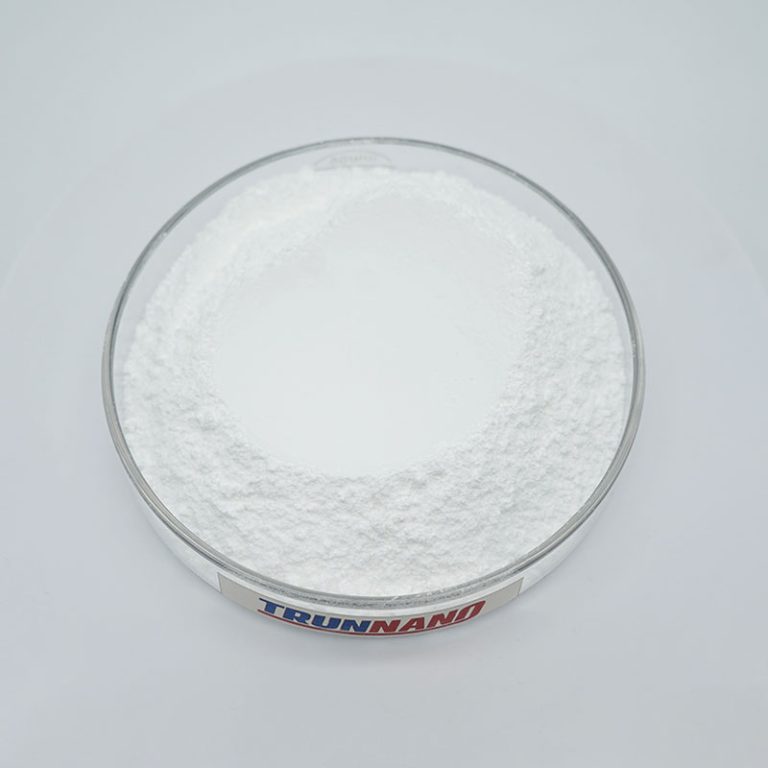
Polypropylene fiber ingredients improve concrete and mortar. These fibers are extremely brief plastic hairs. They are made from polypropylene. The fibers mix right into damp concrete or mortar. They expanded almost everywhere in the mixture. This produces a strong network inside the concrete. This network holds the product with each other firmly. It avoids splits from creating later. Concrete shrinks as it dries out and remedies. This shrinkage often creates cracks. The fibers quit these shrinkage splits. The fibers also help with effect resistance. They make the concrete tougher. It does not chip or break as conveniently. This is good for hectic roadways and bridges. These locations get rush hour and climate. The fibers assist the concrete last much longer. They decrease upkeep requirements later. Building contractors use these fibers in lots of tasks. They are common in highways and airport runways. They are also utilized in bridge decks. The fibers enter into the concrete mix early. They work well with various other ingredients. Employees manage them safely. They are safe and easy to store. Adding the fibers is simple. Home builders comply with the supplier’s instructions. They make use of the correct amount per set. This makes certain the very best performance. The fibers enhance the concrete’s quality. They make frameworks much more sturdy. They conserve cash gradually. Fewer repairs are needed. The concrete does better. It handles anxiety well. It lasts for several years.
Applications of Polypropylene Fiber Short Plastic PP Fiber Concrete Mortar Anti-Cracking Additives Highway Bridge Spinning Filling Material Use
Polypropylene fiber is a special kind of plastic fiber. Builders add it to concrete and mortar. This assists quit cracks from forming. Splits take place when concrete shrinks as it dries out or because of temperature level modifications. The small fibers spread out throughout the mix. They hold the concrete with each other better. This makes the concrete tougher. It doesn’t break as conveniently. This is extremely useful for several construction tasks.
Freeways and roadways get a great deal of website traffic. They encounter weather condition modifications too. Using polypropylene fiber in the concrete makes the sidewalk last longer. It lowers splitting. This indicates less repair work is required later. Bridges also benefit. Concrete in bridges take care of heavy lots and movement. Including fiber helps the concrete handle this tension much better. It protects against little fractures from turning into large troubles.
Home builders utilize this fiber concrete for industrial floors. Storage facilities and factories need strong, sturdy floorings. Trucks drive on them all day. The fiber reinforcement makes these floorings a lot more resistant to damage. It quits cracks triggered by heavy usage. Tunnels and underground frameworks likewise use fiber concrete. It boosts safety and durability. The fiber assists the concrete manage ground stress and water.
Mortar for plastering and providing obtains stronger also. Adding polypropylene fiber minimizes surface area splits. Walls and ceilings look better for longer. The fiber aids the mortar stick much better. It makes the coating a lot more long lasting. Spinning applications use this material also. It loads spaces effectively. The fibers aid the material bind with each other snugly.
Using polypropylene fiber is a smart selection. It boosts concrete and mortar efficiency. It reduces splitting problems. This saves cash on repair services. Structures last much longer. The product is easy to blend in. Building contractors just add it to the set. It functions well with various other ingredients. The outcome is stronger, a lot more trusted building and construction.
Company Profile
We are the global leader in lightweight concrete and advanced engineered foam solutions. Known globally for its commitment to research, innovation, and applied expertise, we have been providing engineered foam solutions since the early 2012’s.
We can supply high-quality concrete admixture and foam concrete related products all over the world.
The company has a professional technical department and quality supervision department, a well-equipped laboratory, and equipped with advanced testing equipment and after-sales customer service center.
If you are interested, please feel free and contact us.
Payment
T/T, Western Union, Paypal, Credit Card etc.
Shipment
By air, by sea, by express, as customers request.
5 FAQs of Polypropylene Fiber Short Plastic PP Fiber Concrete Mortar Anti-Cracking Additives Highway Bridge Spinning Filling Material Use
What are Polypropylene Fiber additives for? They stop cracks in concrete and mortar. Cracks happen as concrete dries and shrinks. The fibers hold things together. This makes the concrete stronger overall. It lasts longer too.
Where do you use this fiber? It goes into many concrete projects. Highways benefit from it. Bridges use it. You find it in tunnel linings. Industrial floors need it. Big slabs use it. Precast concrete uses it. Repair jobs use it. Basically, any concrete can use it to prevent cracks.
How much fiber do you add? It depends on the project. Usually, you add 0.9 kilograms per cubic meter of concrete. For heavy-duty jobs, you might add more. Check the specific product guide. They tell you the right amount. Following the guide is important.
How do you mix the fiber into concrete? It’s easy. Add the fibers during the mixing stage. Dump them into the concrete mixer. Let them mix well. They spread out evenly. You don’t need special equipment. Normal mixing works fine. Just make sure it mixes thoroughly. The fibers should be everywhere.
Does the fiber last long? Yes, it lasts a very long time. Polypropylene doesn’t rust. Water doesn’t hurt it. Chemicals in concrete don’t damage it. It stays strong for the life of the concrete. You don’t have to worry about it breaking down.