Professional solutions on concrete addtives, Concrete Foaming Agent, Superplasticizer, CLC Blocks Additives, and foaming machine



PRODUCT PARAMETERS
Description
Overview of Superplasticizers PCE High Range Water Reducers Additives for Making High Strength Concrete
Superplasticizers PCE High Range Water Reducers Additives for Making High Strength Concrete is chemical compounds added to concrete mixtures to improve various properties of the material, such as workability, strength, durability, and curing time. These additives include plasticizers, retarders, accelerators, waterproofing agents, and air-entraining agents, each designed to meet specific needs in concrete production. Concrete additives are commonly used in both commercial and residential construction, as well as in the production of precast and ready-mix concrete. By enhancing the performance and quality of concrete, these additives help improve the overall efficiency of construction projects while ensuring the durability and longevity of the finished structure. They are easy to incorporate into the mix and provide cost-effective solutions for optimizing concrete properties in a wide range of applications.
Characteristics of Superplasticizers PCE High Range Water Reducers Additives for Making High Strength Concrete
Enhanced Strength: Concrete additives can significantly increase the compressive strength of concrete, making it more resilient to pressure and stress. This ensures the longevity and durability of structures, reducing the likelihood of cracking or failure.
Improved Workability: Additives such as plasticizers and superplasticizers improve the flowability and consistency of concrete, making it easier to handle, pour, and finish. This enhances productivity on the construction site and reduces labor costs.
Faster Curing: Accelerators, a type of concrete additive, help speed up the curing process, allowing for quicker setting times and faster completion of projects. This is especially useful in cold weather or when fast-tracking construction timelines.
Increased Durability: Many additives, like water-reducing agents and waterproofing compounds, increase the resistance of concrete to harsh environmental conditions such as freeze-thaw cycles, water ingress, and chemical exposure, ensuring long-term performance.
Better Adhesion and Bonding: Certain additives improve the bonding between the concrete and other materials, such as reinforcing steel or aggregates, enhancing the overall structural integrity and reducing the chances of delamination or separation.
Versatility for Various Applications: Concrete additives are highly versatile and can be used in a wide range of applications, from residential buildings to large-scale infrastructure projects. They are formulated to meet specific needs such as high-strength concrete, self-compacting concrete, or durable concrete for extreme conditions.
Cost-Efficient: By improving the quality and performance of concrete, additives reduce the need for additional maintenance and repairs, leading to significant cost savings in the long term. Additionally, they help optimize the mix design, reducing material waste.
Environmentally Friendly: Many modern concrete additives are formulated with eco-friendly ingredients, contributing to more sustainable construction practices. These additives help minimize the carbon footprint and improve the environmental performance of the concrete.
Enhanced Surface Finish: Additives like air-entraining agents can improve the finish and appearance of concrete by preventing defects like cracking, honeycombing, or surface dusting, ensuring a smooth, professional-grade surface.

Specification of Superplasticizers PCE High Range Water Reducers Additives for Making High Strength Concrete
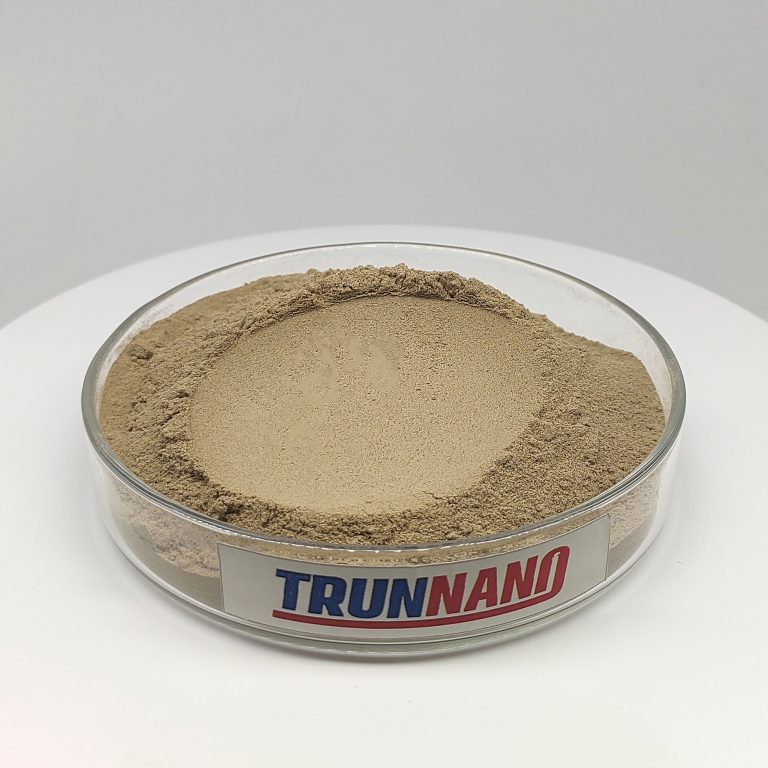
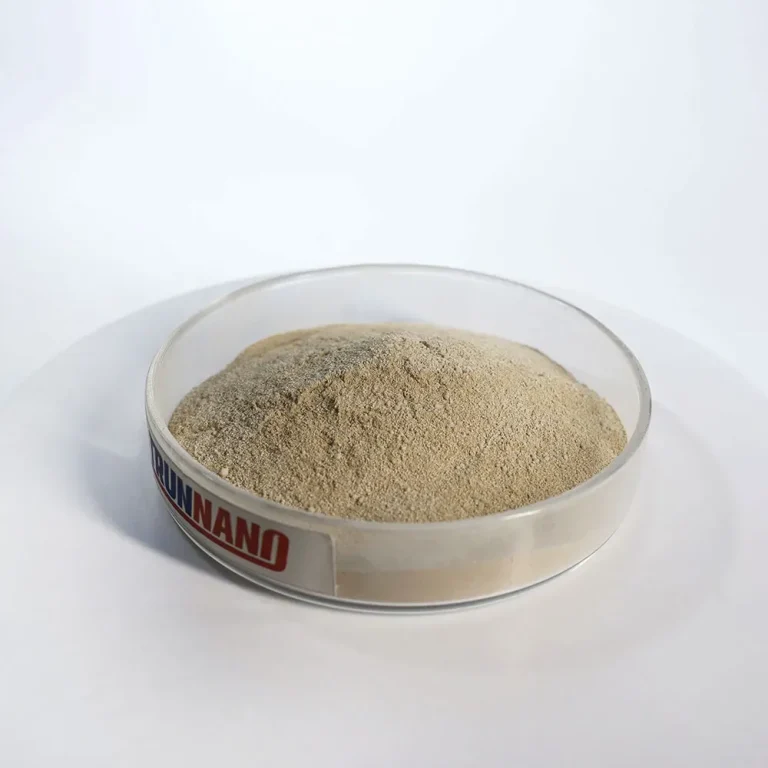
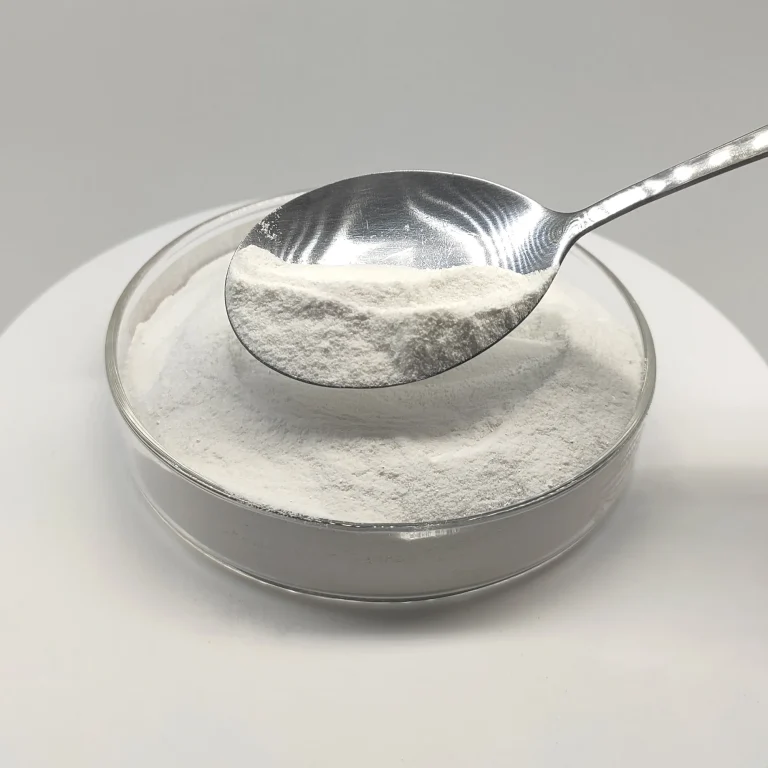
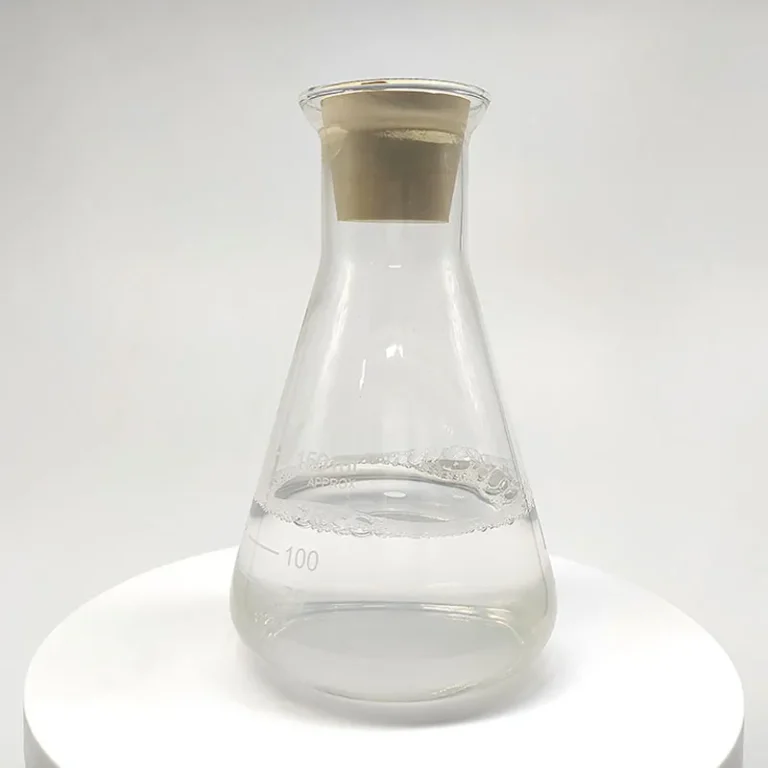
Superplasticizers PCE are chemical admixtures for concrete. They greatly reduce the water needed in concrete mixes. This allows for making high-strength concrete much easier. PCE stands for Polycarboxylate Ether. This type of superplasticizer is very effective. It works by dispersing cement particles very well. This dispersion releases trapped water inside the mix. So, you use less water to get the same workability. Or, you keep the same water and get much better flow. This high water reduction is key. Less water means less space left when it dries. This makes the concrete much denser. Denser concrete is much stronger. It also lasts longer. It resists cracking better. PCE superplasticizers offer strong slump retention too. This means the concrete stays workable longer. You have more time to place and finish it. This is useful for large pours or complicated shapes. These additives work well with most cement types. They also work with other common admixtures like retarders or accelerators. Use them for many high-strength applications. Examples include tall buildings, long bridges, and heavy-duty industrial floors. They help achieve the required strength without adding extra cement. This saves money. It also helps control the heat generated during curing. Less heat reduces cracking risks. PCE superplasticizers improve the finish quality of concrete surfaces. The concrete looks smoother and more even. They are essential for producing modern, high-performance concrete. You can find them as liquid or powder. Follow the supplier’s dosage instructions carefully. Adding too much can cause problems. Adding too little won’t give the full benefit. Always test the mix design before full-scale production.
Applications of Superplasticizers PCE High Range Water Reducers Additives for Making High Strength Concrete
Superplasticizers PCE are modern chemical ingredients for concrete. They make concrete much stronger. Concrete blends generally need great deals of water. Excessive water makes concrete weak. PCE ingredients solve this problem. They allow you utilize much less water. This is called high-range water decrease. Less water indicates the concrete mix obtains very thick and stiff. The PCE additive makes the thick mix circulation easily. The concrete remains convenient. Workers can pour and position it without trouble. This is crucial for difficult shapes or limited spaces.
The big advantage is greater stamina. Much less water suggests fewer holes and spaces inside the concrete. The final concrete ends up being much denser. Denser concrete withstands much heavier loads. It likewise lasts much longer versus wear and weather. You get high-strength concrete without additional cement. This conserves money. It likewise aids make greener concrete. Less concrete suggests less air pollution. PCE superplasticizers are crucial for requiring jobs. Believe tall high-rises requiring solid foundations. Bridges carrying rush hour require this strength too. Precast concrete parts like beam of lights and panels utilize it. These parts need to be strong right after casting. Thin, sophisticated frameworks like shells rely upon it. They require very flowable, strong concrete. Tunnels and dams likewise make use of high-strength concrete. They deal with continuous stress and water. PCE ingredients assist accomplish the needed sturdiness.
Company Profile
We are the global leader in lightweight concrete and advanced engineered foam solutions. Known globally for its commitment to research, innovation, and applied expertise, we have been providing engineered foam solutions since the early 2012’s.
We can supply high-quality concrete admixture and foam concrete related products all over the world.
The company has a professional technical department and quality supervision department, a well-equipped laboratory, and equipped with advanced testing equipment and after-sales customer service center.
If you are interested, please feel free and contact us.
Payment
T/T, Western Union, Paypal, Credit Card etc.
Shipment
By air, by sea, by express, as customers request.
5 FAQs of Superplasticizers PCE High Range Water Reducers Additives for Making High Strength Concrete
Superplasticizers PCE are chemical additives for concrete. They make concrete flow better without adding extra water. Here are common questions about them.
What are PCE superplasticizers? They are special chemicals you add to concrete mix. Their job is to make the concrete very fluid. This happens without needing more water. Good flow means easier placement and finishing.
Why pick PCE over older types? PCE types work better than older sulfonated ones. They keep the concrete fluid for longer. They also cause less air in the mix. This is important for strong, dense concrete.
How do they lower water needs? These additives break apart lumps in the cement paste. This lets the particles slide past each other smoothly. You get wet, workable concrete using much less water. Less water means stronger concrete later.
Do they boost concrete strength? Yes, directly. Using less water creates fewer holes as the concrete hardens. Fewer holes mean a harder, more compact material. This gives much higher strength compared to normal concrete.
How much should you use? The right amount depends on the mix design and goals. Too little won’t make the concrete fluid enough. Too much might cause problems like separation or delayed setting. Always follow the supplier’s dosage advice. Testing helps find the best amount for your specific project.